
 By Femme Wire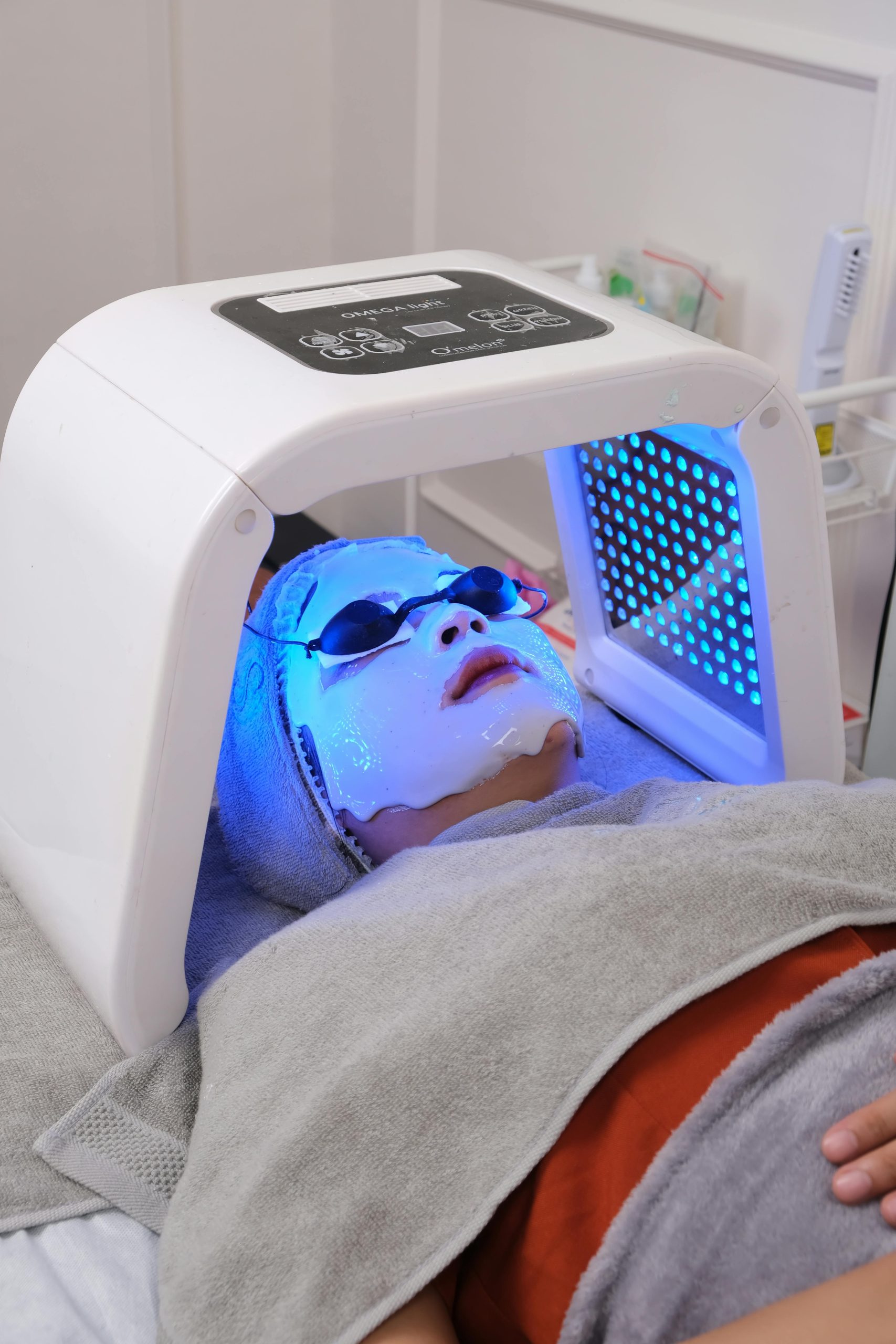
January has always functioned as a cultural reset. It’s the month where intention feels sharper, routines feel negotiable, and the promise of transformation still outweighs fatigue. In 2026, that reset has taken on a distinctly technological glow. Red light immersion—once confined to elite biohacking circles and clinical recovery rooms—has moved decisively into the mainstream. What began as targeted therapy has evolved into a fully immersive wellness ritual, and its rise says as much about the emotional state of the culture as it does about innovation. Red light immersion isn’t just about healing the body; it’s about reclaiming control in a world that feels perpetually overstimulated.
At its most basic level, red light therapy uses specific wavelengths of red and near-infrared light to penetrate the skin and stimulate cellular activity. For years, it was marketed narrowly: muscle recovery for athletes, skin rejuvenation for dermatology patients, inflammation reduction for clinical use. But as wellness culture has matured, so has the understanding of what this technology can offer. Red light immersion takes the concept further, surrounding the entire body in light rather than targeting isolated areas. The experience feels less like treatment and more like environment—an intentional space where the nervous system can downshift.
The timing of its popularity is no accident. January is defined by contradiction: the desire for renewal paired with the weight of expectation. Traditional wellness narratives often exacerbate that tension, framing the new year as a test of discipline rather than an opportunity for restoration. Red light immersion offers a different entry point. It requires stillness, not effort. Presence, not performance. In a culture exhausted by optimization, this distinction matters. The trend’s appeal lies in its passivity; you don’t push through red light immersion, you surrender to it.
There’s also a psychological component that sets this trend apart. The red spectrum has long been associated with warmth, safety, and circadian regulation. Unlike the harsh blue light that dominates modern life—phones, laptops, overhead LEDs—red light feels grounding. Immersion sessions often take place in dim, enclosed spaces where the outside world recedes. For many, the experience borders on meditative. Time slows. Breathing deepens. The body is allowed to simply exist without input or demand. In January, when overstimulation collides with ambition, that permission is powerful.
Wellness culture in 2026 is increasingly focused on the nervous system, and red light immersion fits neatly into that paradigm. Rather than addressing symptoms in isolation, it supports regulation at a foundational level. Users report improved sleep quality, reduced muscle tension, clearer skin, and faster recovery from both physical and emotional stress. While the science continues to evolve, the experiential feedback is consistent: people feel better. Not euphoric, not transformed overnight, but subtly restored. In a landscape saturated with extremes, subtlety feels trustworthy.
The aesthetic of red light immersion has also contributed to its popularity. The spaces themselves—glowing, minimalist, almost otherworldly—align with a cultural shift toward sensory design. Wellness is no longer just about results; it’s about how experiences feel in the body. The immersive red glow creates a visual boundary between the session and the outside world. It signals that something different is happening here. This sensory separation is part of the appeal. It’s a ritual that feels distinct, intentional, and slightly futuristic, without tipping into cold or clinical territory.
Social media has amplified the trend, but not in the frenetic way typical of wellness fads. Red light immersion content tends to be slow, atmospheric, and understated. Videos linger on the glow, the stillness, the sense of pause. In a digital ecosystem dominated by speed, this visual language stands out. It reflects a broader shift in how wellness is communicated—not as hustle, but as refuge. The content doesn’t scream transformation; it invites calm.
Another factor driving the January surge is accessibility. As technology has advanced, red light devices have become more compact, affordable, and adaptable for home use. While high-end studios and wellness clubs still dominate the premium end of the market, many people are incorporating smaller-scale immersion into their daily routines. This democratization has expanded the trend’s reach without diluting its appeal. Whether experienced in a dedicated space or a bedroom corner, the ritual remains the same: step into the light, disconnect, and let the body recalibrate.
Red light immersion also reflects a broader redefinition of productivity. In 2026, rest is increasingly understood as a prerequisite for performance rather than a reward for it. The language around wellness is shifting from “earning” recovery to integrating it. Red light immersion embodies this shift. It’s not framed as indulgence, but as maintenance. Something you do not because you’ve done enough, but because you plan to keep going. In January, when burnout from the previous year lingers beneath fresh goals, this framing resonates.
There’s a quiet luxury to the practice that aligns with evolving tastes. Unlike conspicuous wellness trends that rely on visible effort or exclusivity, red light immersion is discreet. The benefits accumulate privately. There’s no external validation loop built into the experience. You don’t wear it, track it obsessively, or compare outcomes. This privacy is part of its appeal. In a culture oversharing exhaustion and self-improvement, red light immersion offers something refreshingly internal.
Critically, the trend isn’t positioned as a cure-all. That humility sets it apart from past wellness waves. Practitioners and users alike emphasize integration rather than replacement. Red light immersion complements movement, nutrition, therapy, and sleep rather than claiming to override them. This realism has helped it avoid backlash. It feels like a tool, not a doctrine. In January, when people are particularly sensitive to false promises, that grounded approach builds trust.
As more people experiment with red light immersion, the conversation is expanding beyond physical benefits to include emotional and creative effects. Many report heightened clarity, improved focus, and a greater sense of emotional regulation after sessions. Whether these effects are physiological, psychological, or a combination of both is still being explored, but the lived experience is shaping the narrative. The trend’s staying power will likely depend on this holistic impact. Wellness in 2026 is less about isolated metrics and more about overall quality of life.
Ultimately, red light immersion’s rise speaks to a deeper cultural desire: to slow down without falling behind. It offers a way to participate in wellness without turning it into another performance. In January, when the pressure to reinvent can feel overwhelming, red light immersion provides a softer entry point. It doesn’t demand a new identity, just a moment of stillness.
As the year unfolds, it’s likely that red light immersion will move from trend to staple, woven into routines alongside movement and rest. Its popularity in January is a signal, not a spike—a reflection of how people want to begin the year: not by pushing harder, but by restoring balance. In the red glow, the message is clear. The future of wellness isn’t louder or faster. It’s calmer, deeper, and more intentional.
 Sara Jasmine