
 By Sara Jasmine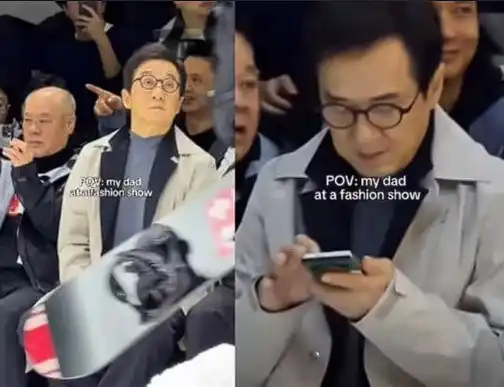
When Jackie Chan stepped into the spotlight at Milan Fashion Week for the first time, no one expected the internet to turn the moment into a viral sensation. Known globally for his legendary martial arts skills, comedic timing, and decades-long film career, Chan’s unexpected “meme moment” proved that even icons can become part of modern digital culture overnight.
This blog explores how Jackie Chan’s debut at Milan Fashion Week captured global attention, why it resonated so strongly online, and what it says about the evolving relationship between celebrity culture and internet trends.
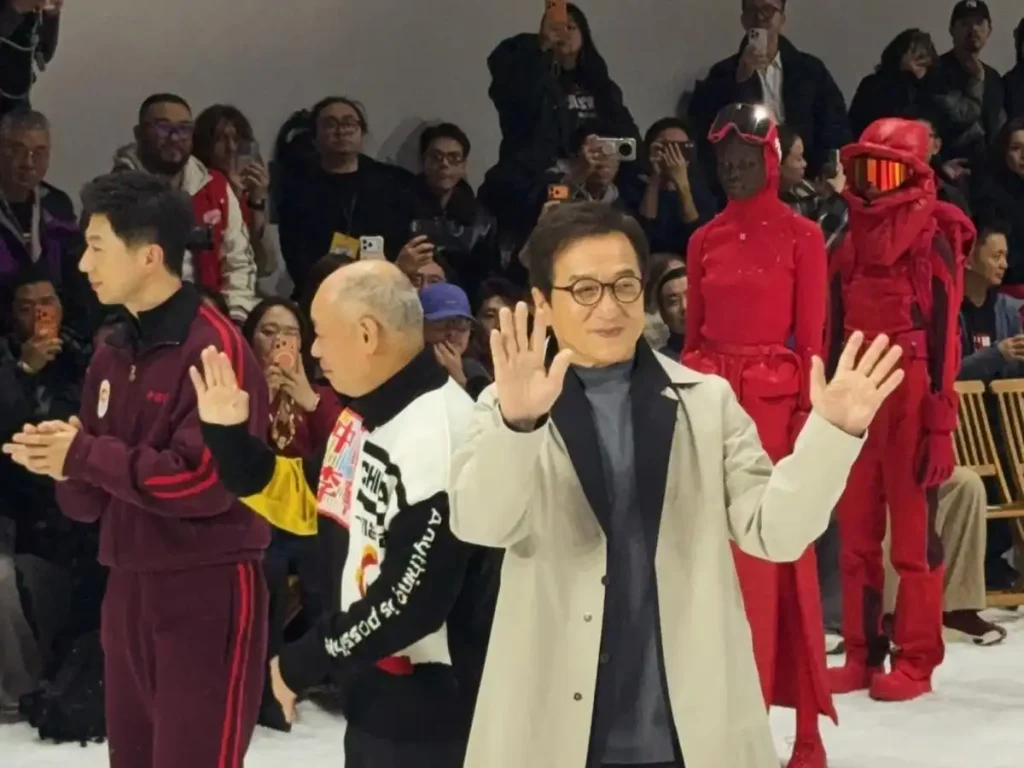
For decades, Jackie Chan has been synonymous with action cinema. From classics like Police Story to international hits such as Rush Hour, his presence has always commanded admiration and respect. However, his appearance at Milan Fashion Week marked a shift—one that placed him in a completely different spotlight.
Fashion weeks, particularly Milan’s, are known for showcasing luxury, elegance, and cutting-edge design. Celebrities who attend are typically styled to perfection, exuding confidence and trend-forward aesthetics. Chan’s attendance, while exciting, was unexpected for many fans who associate him more with cinematic action than high fashion.
Yet, that contrast is precisely what made his appearance so captivating.
During one of the high-profile shows, cameras captured Jackie Chan sitting front row, dressed in a sophisticated yet understated outfit. While other celebrities posed with carefully curated expressions, Chan appeared relaxed, slightly amused, and at times, adorably out of place.
One particular moment—where he looked around with a mix of curiosity and subtle confusion—quickly went viral. Screenshots of his expression flooded social media platforms, with captions ranging from humorous to relatable.
Within hours, the image became a meme template. Users began pairing his expression with everyday situations:
- “When you realize you sent the message to the wrong group chat”
- “Me trying to understand what’s going on in a meeting”
- “When everyone else knows the trend but you don’t”
The simplicity and relatability of his expression made it instantly shareable.
Fashion Week is often associated with perfection—flawless outfits, composed poses, and carefully managed public images. Jackie Chan’s genuine reactions stood out in contrast.
Instead of appearing overly curated, he looked real. That authenticity resonated with audiences who are increasingly drawn to unfiltered moments in a world dominated by staged content.
Jackie Chan is a rare figure who bridges multiple generations. Older audiences admire his legacy, while younger audiences recognize him through memes and pop culture references.
His meme moment created a shared cultural experience, uniting fans across age groups. For some, it was nostalgic; for others, it was a fresh introduction to his personality beyond action films.
The most successful memes are rooted in universal emotions. Chan’s expression—somewhere between confusion and amusement—captured a feeling everyone has experienced.
This relatability made it easy for users to adapt the image to countless scenarios, fueling its rapid spread across platforms like TikTok, Twitter, and Instagram.
Jackie Chan’s viral moment highlights a broader trend: the merging of high fashion and internet culture.
Events like Milan Fashion Week are no longer just industry showcases; they are global content hubs. Every appearance, expression, and interaction has the potential to become viral material.
Celebrities attending these events are no longer just representing brands—they are participating in a digital ecosystem where audiences engage, remix, and reinterpret content in real time.
Without social media, this moment would have remained a simple candid shot. Instead, platforms accelerated its reach exponentially.
- TikTok users recreated the moment with skits and reactions
- Twitter/X turned it into caption-based humor
- Instagram amplified it through reels and meme pages
The speed at which the meme spread demonstrates how quickly digital audiences can transform a single image into a global phenomenon.
One of the most endearing aspects of this story is Jackie Chan’s reaction. Rather than ignoring or resisting the meme, he embraced the attention with humility and humor.
This response further endeared him to fans. In an era where some celebrities push back against viral moments, Chan’s openness reinforced his reputation as approachable and down-to-earth.
His reaction also underscores an important lesson: embracing internet culture can strengthen a celebrity’s connection with audiences.
Jackie Chan’s Milan Fashion Week moment is a case study in modern celebrity branding.
In the past, a public image was carefully controlled through interviews, press releases, and curated appearances. Today, a single candid moment can redefine public perception.
Memes, while often humorous, play a significant role in shaping how audiences view public figures. For Jackie Chan, the meme didn’t diminish his legacy—it enhanced it by showcasing a different side of his personality.
Interestingly, the meme also brought additional attention to Milan Fashion Week itself.
While fashion insiders were focused on collections and designers, the viral moment introduced the event to a broader audience. People who might not عادة follow fashion news suddenly found themselves engaging with content from the event.
This crossover appeal benefits both the fashion industry and celebrities, creating a mutually reinforcing cycle of visibility.
Jackie Chan’s meme is more than just a viral image—it reflects larger cultural dynamics:
- The democratization of content: Anyone can participate in shaping narratives
- The blending of industries: Film, fashion, and digital media intersect seamlessly
- The rise of relatability over perfection: Audiences value authenticity more than ever
These trends are redefining how public figures interact with global audiences.
There are several takeaways from this viral moment:
Audiences connect more with genuine reactions than scripted perfection.
Not all viral moments can be planned—but they can be leveraged effectively.
Acknowledging and embracing memes can strengthen brand loyalty.
Despite decades in the industry, Jackie Chan continues to remain relevant—not just through his films, but through moments like this.
His ability to adapt, whether intentionally or unintentionally, demonstrates why he remains a beloved global figure. The Milan Fashion Week meme is simply the latest chapter in a long and dynamic career.
Jackie Chan’s first appearance at Milan Fashion Week was supposed to be a simple crossover into the world of high fashion. Instead, it became a viral moment that captured the internet’s imagination.
What makes this story compelling isn’t just the humor—it’s what it represents. In today’s digital landscape, authenticity, relatability, and spontaneity often matter more than perfection.
Jackie Chan didn’t set out to become a meme, but in doing so, he reminded the world why he remains such an enduring and beloved figure. His Milan Fashion Week moment is proof that even in the most polished environments, it’s the unscripted, human moments that truly resonate.
And sometimes, all it takes is one genuine expression to turn a global icon into the internet’s favorite meme.
 Femme Wire