
 By Femme Wire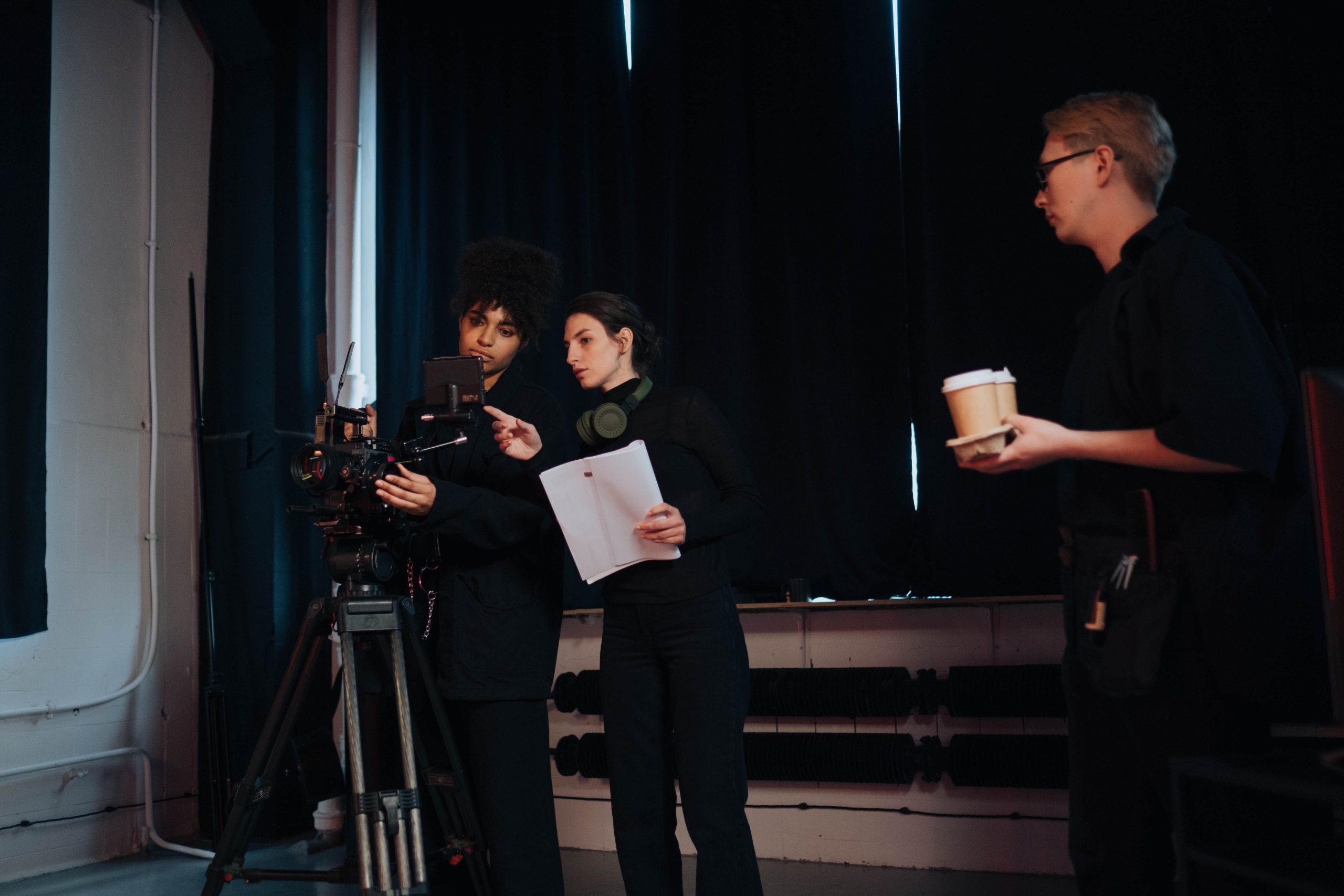
For much of Hollywood’s history, conversations about success focused primarily on the people in front of the camera. Leading actors, blockbuster stars, and award-winning performances dominated headlines, while many of the creative minds shaping films and television remained largely invisible to the public. Today, that narrative is changing. Women are increasingly taking on leadership roles behind the camera, influencing how stories are developed, produced, filmed, and brought to audiences around the world.
This transformation is about far more than representation. Female directors, producers, writers, cinematographers, editors, and production executives are expanding the range of stories being told, introducing new creative perspectives, and demonstrating that diverse leadership can also deliver both critical acclaim and commercial success.
Audiences have responded enthusiastically. Female-led productions are attracting strong global viewership across theatrical releases and streaming platforms alike. Rather than fitting into a single genre, these projects span action, drama, comedy, science fiction, horror, documentary filmmaking, and animation, proving that compelling storytelling resonates regardless of who is behind the camera.
Filmmakers such as Greta Gerwig, Chloé Zhao, and Nia DaCosta have helped demonstrate that visionary direction and original storytelling can achieve both artistic recognition and impressive box-office performance. Their success has encouraged studios to invest in broader creative voices while inspiring a new generation of filmmakers.
Behind every production is a network of creative professionals whose decisions shape the audience’s experience. Writers establish the emotional foundation of a story. Directors guide performances and visual style. Producers oversee development and execution. Editors determine pacing and emotional rhythm. Cinematographers define how every scene looks and feels. Increasingly, women are contributing at every stage of this creative process.
One of the most significant changes has been the growing diversity of stories reaching mainstream audiences. Female creators often bring fresh viewpoints that explore relationships, identity, leadership, family, ambition, and resilience in nuanced ways. While these themes have always existed in cinema, broader creative representation allows them to be explored through a wider variety of voices and experiences.
Streaming platforms have accelerated this evolution. Because digital services continually seek original programming for international audiences, they have created additional opportunities for emerging filmmakers and producers to develop projects that may once have struggled to secure traditional studio financing.
The global nature of streaming has also expanded international collaboration. Productions led by women from different countries are reaching audiences far beyond their domestic markets, introducing viewers to storytelling traditions and cultural perspectives that were previously less accessible.
Mentorship has become another important driver of progress. Established filmmakers increasingly support emerging directors, writers, and producers through workshops, fellowships, production companies, and professional development programs. These networks help create pathways for future generations while strengthening the industry’s creative ecosystem.
Technology has further lowered barriers to entry. High-quality digital cameras, advanced editing software, affordable visual effects tools, and online distribution platforms allow independent creators to produce professional work with resources that would have been unimaginable just a generation ago. Talent and storytelling increasingly matter more than access to expensive equipment.
Film schools have also seen growing participation from women pursuing careers in directing, cinematography, editing, production design, sound engineering, and visual effects. As educational opportunities expand, the industry continues benefiting from a broader pool of creative talent.
Another notable shift is audience expectation. Modern viewers increasingly appreciate authentic storytelling, complex characters, and fresh perspectives. Rather than relying solely on familiar formulas, audiences often reward projects that feel emotionally honest and creatively ambitious.
This evolution has influenced hiring practices throughout the industry. Studios and production companies increasingly recognize that diverse creative teams contribute new ideas, innovative problem-solving, and broader audience appeal. Inclusive leadership is becoming both a creative advantage and a business strategy.
Women are also redefining leadership itself. Many producers and directors emphasize collaborative production environments that encourage communication across departments while fostering creative experimentation. This approach often strengthens both workplace culture and artistic outcomes.
The influence extends beyond filmmaking. Successful female-led productions inspire conversations about leadership, entrepreneurship, creativity, and representation across industries. Young women considering careers in entertainment now have more visible role models than ever before.
Importantly, this progress is not limited to directing alone. Women are making significant contributions in costume design, production design, visual effects supervision, animation, music composition, marketing, and executive leadership. Hollywood’s transformation is occurring across virtually every creative discipline.
Challenges remain, including equitable access to financing, leadership opportunities, and major studio projects. However, measurable progress continues as audiences demonstrate sustained enthusiasm for films and series created by diverse voices.
International film festivals have also contributed to this momentum by showcasing exceptional work from women around the world. Recognition at these events often leads to larger distribution opportunities, increased investment, and broader global visibility.
The commercial success of female-led productions is helping reshape industry assumptions. Rather than viewing diversity as a niche strategy, many studios increasingly recognize it as an important source of innovation and long-term growth.
Perhaps the most meaningful outcome is that audiences now have access to a wider variety of stories than ever before. New perspectives enrich cinema by expanding the emotional, cultural, and creative experiences available to viewers across the globe.
Ultimately, the women redefining Hollywood behind the camera are doing more than directing films or producing television series. They are helping reshape the future of storytelling itself. Through creativity, leadership, and innovation, they are demonstrating that great stories emerge when talented voices are given the opportunity to be heard.
As the entertainment industry continues to evolve, one thing is becoming increasingly clear: Hollywood’s future will not be defined solely by the stars audiences see on screen. It will also be shaped by the visionary women behind the camera who are transforming how stories are imagined, created, and shared with the world.
- Women In Film
- Center for the Study of Women in Television & Film – San Diego State University
- Academy of Motion Picture Arts and Sciences
- Variety
- The Hollywood Reporter
- Motion Picture Association (MPA)
 Sara Jasmine