
 By Sara Jasmine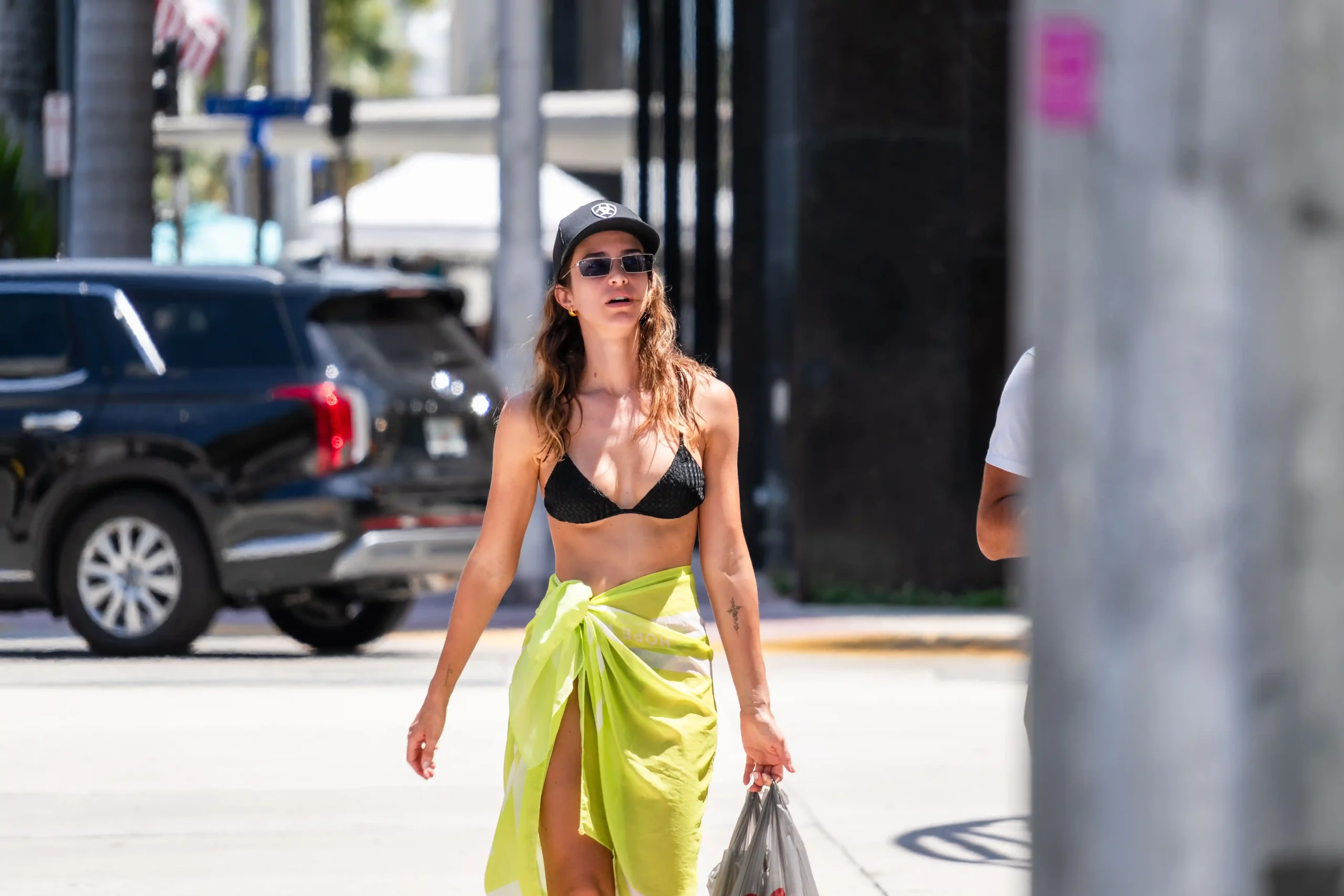
When temperatures climb into the 90s and beyond, getting dressed becomes more than a matter of style—it becomes a matter of comfort and even personal safety. During a heat advisory, your clothing choices can significantly impact how your body regulates temperature. While many people instinctively reach for shorts and tank tops, some common fashion habits can actually trap heat, increase sweating, and leave you feeling much hotter than necessary.
The good news is that staying cool doesn’t mean sacrificing your personal style. By understanding which fashion mistakes to avoid, you can build outfits that help your body stay comfortable while still looking polished. Whether you’re commuting to work, exploring the city, attending outdoor events, or simply running errands, avoiding these common wardrobe mistakes can make a noticeable difference throughout the day.
Your body naturally cools itself by releasing sweat, which evaporates from your skin. Certain fabrics, colors, and clothing fits either help or interfere with this natural cooling process. When the weather is extremely hot and humid, even small wardrobe decisions can determine whether you stay relatively comfortable or feel overheated within minutes.
Heat advisories are issued because prolonged exposure to high temperatures can increase the risk of dehydration, heat exhaustion, and heat stroke. Choosing the right clothing becomes part of your overall strategy for staying safe during periods of extreme heat.
Black may be timeless, but it isn’t always your best friend during a heat advisory.
Dark-colored clothing absorbs more sunlight than lighter shades, causing the fabric to heat up faster. If you’re spending time outdoors, wearing black, navy, dark brown, or charcoal can leave you feeling noticeably warmer compared to lighter alternatives.
Instead, choose clothing in colors like:
- White
- Cream
- Beige
- Light gray
- Pastel blue
- Soft pink
- Mint green
- Pale yellow
These lighter colors reflect more sunlight rather than absorbing it, helping keep the fabric cooler.
That doesn’t mean you need to eliminate dark colors entirely. Save them for evening outings or air-conditioned environments rather than the hottest part of the day.
Many people continue wearing denim jackets, thick cotton hoodies, or heavyweight jeans simply because they’re part of their regular wardrobe.
Unfortunately, heavier fabrics trap body heat and reduce airflow, making it much harder for sweat to evaporate.
Instead, prioritize lightweight materials such as:
- Linen
- Lightweight cotton
- Bamboo fabric
- Rayon
- Moisture-wicking athletic fabrics
- Cotton blends designed for summer
These fabrics allow air to circulate while helping moisture evaporate more efficiently.
Skin-tight clothing may look fashionable, but it often works against your body’s natural cooling system.
When clothing clings closely to your skin, it restricts airflow and prevents sweat from evaporating effectively. The trapped moisture creates an uncomfortable, sticky feeling while increasing the sensation of heat.
Looser silhouettes offer several advantages:
- Better ventilation
- Less fabric sticking to sweaty skin
- Improved airflow
- Greater overall comfort
Oversized linen shirts, relaxed trousers, flowy dresses, and loose shorts provide both style and practicality during extreme heat.
Your feet contain thousands of sweat glands, yet they’re often overlooked when planning summer outfits.
Closed shoes made from synthetic materials trap heat and moisture, leading to sweaty feet, discomfort, and even blisters.
Better options include:
- Breathable canvas sneakers
- Leather sandals
- Mesh athletic shoes
- Open-toe sandals
- Lightweight walking shoes
If closed shoes are required for work, moisture-wicking socks can also help reduce discomfort.
Layering works wonderfully during cooler seasons, but it becomes a major problem during a heat advisory.
Many people continue wearing undershirts beneath T-shirts, cardigans over dresses, or lightweight jackets simply out of habit.
Every additional layer traps more heat.
Whenever possible, simplify your outfit by wearing only what you truly need. If you’ll be moving between air-conditioned buildings and the outdoors, consider carrying a lightweight cardigan instead of wearing it continuously.
Certain trendy materials may photograph beautifully but perform poorly in hot weather.
Common offenders include:
- Faux leather
- Vinyl
- Polyester blends without ventilation
- Thick satin
- Heavy sequined fabrics
These materials often trap heat and moisture, making them uncomfortable for prolonged outdoor wear.
Fashion doesn’t have to be sacrificed. Instead, look for clothing that combines modern style with breathable construction.
Many people assume wearing less clothing automatically keeps them cooler.
In reality, prolonged sun exposure can increase skin temperature and cause sunburn, making you feel even hotter.
A better approach includes lightweight sun-protective clothing such as:
- Long-sleeve linen shirts
- Breathable cover-ups
- Wide-brim hats
- UV-protective clothing
- Sunglasses
Protecting your skin helps reduce heat stress while lowering your risk of sun damage.
Accessories may seem insignificant, but they contribute more to your comfort than you might realize.
Heavy scarves, thick belts, oversized handbags, and chunky jewelry can add unnecessary warmth.
Instead, choose lightweight accessories that complement your outfit without adding bulk.
Natural materials like straw hats and woven bags are excellent summer choices because they’re both fashionable and breathable.
Large backpacks pressed against your back reduce airflow and cause excessive sweating.
Messenger bags and oversized totes can have similar effects when worn for long periods.
If possible, switch to:
- Small crossbody bags
- Lightweight shoulder bags
- Mini backpacks with breathable mesh backing
Reducing direct contact between your bag and your body helps improve ventilation.
Many people associate moisture-wicking fabrics only with workouts.
However, they’re equally useful for everyday summer wear.
Modern moisture-wicking shirts, dresses, polos, and casual tops help pull sweat away from your skin, allowing it to evaporate more quickly.
This keeps clothing drier while reducing that uncomfortable damp feeling during long days outdoors.
Undergarments can significantly affect overall comfort.
Heavy padding, thick shapewear, and non-breathable synthetic materials often trap heat where it’s least welcome.
During extremely hot weather, look for:
- Lightweight cotton underwear
- Breathable bralettes
- Moisture-wicking undergarments
- Seamless designs with ventilation
The right foundation garments can improve comfort throughout your entire outfit.
Heat feels very different depending on humidity levels.
On humid days, your sweat evaporates more slowly, making you feel hotter.
Adjust your clothing accordingly by choosing fabrics specifically designed to dry quickly rather than simply absorbing moisture.
Loose-fitting moisture-wicking clothing often outperforms traditional cotton during humid conditions.
Instead of focusing only on what not to wear, build outfits around pieces that actively help keep you cool.
Look for breathable fabrics, relaxed fits, lighter colors, and minimal layering. Comfortable sandals, lightweight sneakers, sun hats, and UV-protective sunglasses not only complete your outfit but also improve your overall comfort.
Planning your outfit around the day’s forecast is equally important. If temperatures are expected to peak in the afternoon, choose clothing that will remain comfortable throughout the hottest hours instead of dressing for the cooler morning.
One of the biggest misconceptions about summer fashion is that staying cool means dressing casually or sacrificing style. Fortunately, today’s clothing brands offer countless fashionable options made specifically for warm weather.
Linen button-down shirts, breezy midi dresses, tailored shorts, lightweight jumpsuits, and relaxed wide-leg pants prove that practical clothing can also look polished.
The key is selecting garments designed with airflow, breathability, and comfort in mind rather than simply following seasonal trends.
Extreme heat can make even simple daily activities feel exhausting, but your wardrobe doesn’t have to make the situation worse. Avoiding common fashion mistakes—such as wearing dark colors, heavy fabrics, tight clothing, and excessive layers—can help your body regulate temperature more effectively throughout the day.
When a heat advisory is in effect, think beyond appearance and consider how each piece of clothing interacts with your body’s natural cooling system. Lightweight fabrics, breathable footwear, loose silhouettes, and sun-smart accessories can dramatically improve your comfort while helping you stay stylish.
The best summer outfits are those that work with the weather instead of against it. By making thoughtful fashion choices, you can stay cooler, feel more confident, and enjoy everything summer has to offer without constantly battling the heat.
 Femme Wire