
 By Femme Wire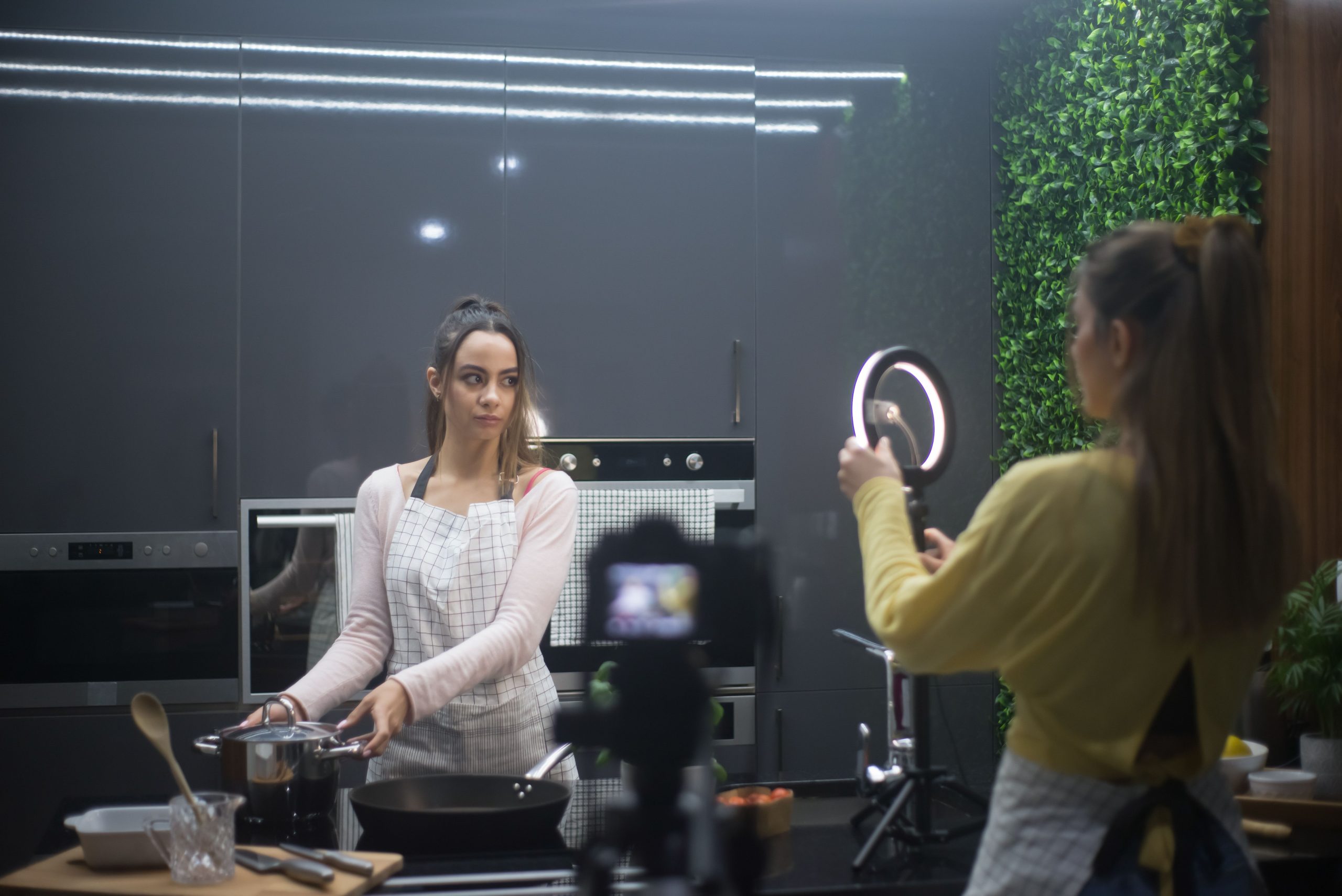
The traditional entertainment industry once required creators to pass through a small number of gatekeepers before they could build a large audience. Today, technology is changing that equation. Women are increasingly using social platforms, artificial intelligence, digital production tools, and online communities to build careers and businesses without waiting for a major studio, network, or traditional media company to give them permission.
Social media has become one of the most important tools in this transformation. A creator can build an audience through short-form video, podcasts, newsletters, livestreams, or long-form content and develop a recognizable identity without following the traditional Hollywood career path.
Artificial intelligence is adding another layer to that independence.
AI-powered tools can help creators brainstorm ideas, edit videos, generate visual concepts, organize content, analyze audience behavior, translate material, and automate parts of their workflow. Tasks that once required large teams or expensive production resources can increasingly be supported by accessible technology.
This does not mean creators no longer need professional skills. Instead, technology allows individuals to do more with the skills they already have.
A woman with expertise in beauty, fashion, entertainment, wellness, business, or pop culture can use digital tools to transform that knowledge into a media brand. She can produce videos, publish articles, build an email audience, launch digital products, develop courses, create communities, or collaborate with brands—all while maintaining greater control over her work.
The business model is changing as well.
Creators no longer have to depend entirely on traditional advertising or entertainment contracts. They can combine sponsorships, memberships, affiliate income, digital products, subscriptions, consulting, merchandise, and their own businesses to create multiple revenue streams.
This is particularly powerful because audiences can become more than viewers.
They can become customers, subscribers, community members, and supporters of a larger brand.
Technology also allows creators to understand their audiences more closely. Analytics can show which topics generate engagement, where viewers discover content, what keeps people watching, and which products or ideas resonate most strongly. That information can help creators make smarter decisions without relying entirely on traditional media executives to determine what audiences want.
The result is a new kind of creative independence.
Instead of asking a studio to approve an idea, a creator can sometimes test it directly with an audience. If people respond positively, that audience can provide the foundation for a larger project. A viral video can become a podcast. A newsletter can become a media company. A social community can become a membership platform. A personal interest can become a full-time business.
Women are also using technology to collaborate across borders. Digital platforms make it possible to work with designers, editors, developers, marketers, and other creators without needing to be located in the same city. This expands opportunities beyond traditional entertainment centers.
AI may accelerate this trend even further, but it also makes originality more important. As digital tools become easier for everyone to access, simply producing more content will not necessarily create a successful career. Strong ideas, recognizable voices, expertise, trust, and genuine relationships with audiences can become the real competitive advantages.
There are also important questions surrounding AI and creator ownership. Women building independent businesses need to understand how their images, voices, creative work, and intellectual property are being used. As technology becomes more capable of reproducing creative styles and digital identities, protecting original work becomes increasingly important.
The larger shift, however, is clear.
The entertainment career of the future may not require a traditional Hollywood address.
It may require a strong idea, an engaged audience, the right technology, and the willingness to build something independently.
Women are proving that creative careers can exist outside the old system—and that the next generation of entertainment businesses may be built not inside Hollywood studios, but directly from laptops, phones, online communities, and increasingly powerful AI tools.
The gatekeepers are still there.
But creators now have more ways to build their own doors.
 Sara Jasmine