
 By Sara Jasmine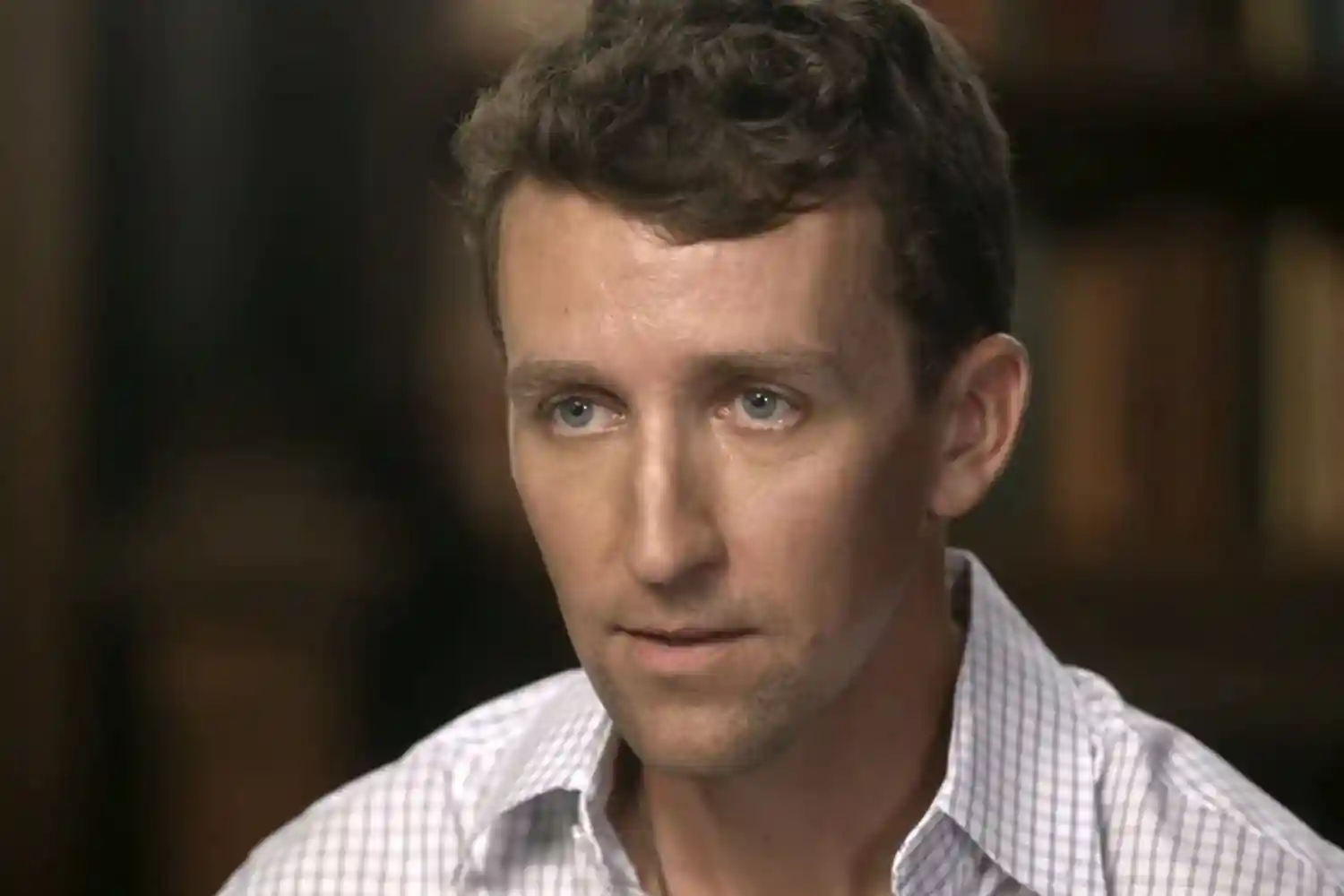
Patrick Clancy has revealed a deeply personal detail about the emotional toll of testifying during his ex-wife Lindsay Clancy’s murder trial, saying he experienced what he described as a “massive traumatic panic attack” while taking a break from the witness stand. The revelation came during his first television interview following the trial, which ended in a mistrial earlier this month.
Speaking with CBS News’ “60 Minutes,” Patrick recalled the overwhelming moment that occurred during his second day of testimony. He knew that a recording of the 911 call he made on the night his three children died was about to be played in court. Before the audio was presented to the jury, Patrick stepped into a back room during a break and said he suddenly began experiencing an intense panic attack.
“My heart was pounding,” Patrick recalled. He said he was taken to an ambulance and offered medication but declined it because he wanted to return to the courtroom, finish his testimony and get through the painful experience.
The moment adds another layer to an already devastating case that has received national attention since January 2023. Patrick testified about the final hours before the deaths of his three children, Cora, Dawson and Callan, and described the scene he encountered when he returned home that night.
His latest comments offer a glimpse into what it was like for him to revisit those memories publicly in a courtroom more than three years after the tragedy.
Patrick’s interview with “60 Minutes” marked his first major television interview since the Lindsay Clancy trial concluded. The conversation gave him an opportunity to discuss the emotional aftermath of the tragedy, the experience of testifying and the difficult process of rebuilding his life.
The trial focused on whether Lindsay was criminally responsible for the deaths of their three children. Lindsay’s defense acknowledged that she caused the children’s deaths but argued that she was experiencing severe mental illness, including postpartum psychosis, at the time. Prosecutors presented a different interpretation of her actions and argued that she should be held criminally responsible.
After weeks of testimony, the jury deliberated for seven days but could not reach a unanimous verdict. A judge declared a mistrial on September 4, 2026.
For Patrick, however, the legal outcome was only one part of the experience. The process required him to return to the memories surrounding the deaths of his children and publicly recount events that had changed his life forever.
Patrick’s panic attack occurred during a particularly difficult point in his testimony.
He knew the 911 call from January 24, 2023, was going to be played in court. Patrick was the person who made that call after returning home and discovering what had happened.
According to his testimony, he initially found Lindsay outside the family’s Duxbury, Massachusetts, home after she had attempted suicide. He stayed with her and tried to keep her conscious while also asking where their children were.
Lindsay told him the children were in the basement. Patrick then went inside and discovered them. He attempted to provide CPR before emergency responders arrived. His testimony about that night became one of the most emotionally significant parts of the trial.
Knowing that he was about to hear the emergency call again was understandably difficult for Patrick. During the break, he said the emotional reaction became physical.
“I started having this massive traumatic panic attack,” he recalled during the “60 Minutes” interview. He described his heart pounding and said he was taken to an ambulance.
While Patrick was experiencing the panic attack, medical personnel offered him medication.
He declined.
Patrick explained that he wanted to return to the courtroom because he wanted to finish his testimony. He knew the 911 recording would be extremely difficult to hear, but he wanted to get through the experience rather than leave his testimony unfinished.
His decision meant returning to the courtroom after receiving medical attention and continuing with the proceedings.
The 911 recording itself was not publicly broadcast during the trial. The court had previously restricted the release of the audio, meaning viewers following the proceedings through television or online coverage did not hear the full recording.
For Patrick, however, the recording was not simply evidence in a criminal case. It was a recording of one of the most traumatic moments of his life.
Patrick’s testimony did not focus only on the events of January 24, 2023. He also described Lindsay’s mental health struggles during the months leading up to the deaths of their children.
He testified that Lindsay had experienced chronic insomnia, anxiety and intrusive thoughts. Patrick described her as extremely sleep-deprived and highly anxious during the period before the tragedy.
He also told the court that he believed her mental health appeared to deteriorate while she was receiving treatment and taking various medications.
Patrick’s testimony became important to the central issue of the trial because the defense argued that Lindsay’s mental state prevented her from being criminally responsible for what happened.
He described Lindsay as a devoted mother before the tragedy, saying she read books to the children, made up songs and took them to activities.
That testimony presented a complicated picture of the woman he had known as his wife and the mother of their children.
The emergency call Patrick made after discovering his children was one of the most emotionally difficult pieces of evidence presented during the trial.
In court, prosecutors played the recording for the jury. Patrick had already completed part of his testimony before the recording was played.
According to CBS News’ account of the trial, Patrick could be heard telling the dispatcher that Lindsay had attempted to kill herself and later saying that he needed to check on his children. The recording captured the urgency and confusion of those moments.
Patrick’s testimony explained what happened around the call, but hearing his own voice from that night was another matter.
Years later, he was required to sit in a courtroom and revisit the same event while his former wife’s murder case was being decided.
His panic attack shows just how emotionally difficult that experience was for him.
One of the central questions in the Lindsay Clancy case was her mental state at the time of the children’s deaths.
Her defense argued that Lindsay was experiencing postpartum psychosis and other serious psychiatric symptoms. Prosecutors disputed aspects of that account and presented evidence concerning her behavior and treatment before the killings.
Multiple medical professionals testified during the trial, creating a lengthy examination of Lindsay’s mental health history.
Patrick also testified that Lindsay had told him she heard a male voice telling her she had to kill the children and then herself. He said she discussed what she had experienced during a phone conversation after the tragedy.
The testimony became part of the larger debate over mental illness and criminal responsibility that surrounded the case.
The jury ultimately could not reach a unanimous decision.
After approximately five weeks of testimony, the case went to the jury.
Jurors deliberated for seven days before informing the judge that they could not reach a unanimous verdict. The judge declared a mistrial on September 4, 2026.
The outcome left the case unresolved.
A mistrial is not the same as a finding of guilt or innocence. It means the trial ended without a verdict, and prosecutors must determine how to proceed from there.
For Patrick, the lack of a verdict does not change the personal loss he has experienced.
He has continued to speak about his children and the importance of remembering them as individuals rather than allowing the tragedy to define their entire lives.
One of the more unusual aspects of Patrick’s story has been his public stance toward Lindsay.
Despite the deaths of his three children, Patrick has said that he does not blame Lindsay in the way many people might expect. He has repeatedly spoken about her mental illness and has expressed forgiveness.
During his “60 Minutes” interview, Patrick explained that he believes Lindsay’s actions were connected to her mental illness rather than simple malice. He also criticized online conspiracy theories that have attempted to place blame on him.
His position has sometimes been difficult for the public to understand, particularly because he was the children’s father and the person who discovered them.
But Patrick has consistently emphasized that he wants people to focus on the children and on the importance of understanding perinatal mental health.
The passage of time has not erased Patrick’s grief.
In the “60 Minutes” interview, he spoke about the emotional consequences of losing his children and the struggle to continue living after such a devastating event. He has previously described moving away from Duxbury because the memories associated with the community became overwhelming.
Patrick eventually relocated to New York City, where he found some comfort in being able to live without constantly being recognized or questioned about the tragedy.
He has also worked to preserve the memory of his children, including creating a playground in their honor.
His story is therefore not simply about a murder trial. It is also about a father trying to figure out how to continue living after losing three children.
The disclosure about Patrick’s panic attack provides an important perspective that can sometimes get lost in a high-profile criminal trial.
Court proceedings can appear highly structured from the outside. Lawyers present evidence, witnesses answer questions and jurors listen to testimony. But for people directly involved, the experience can be deeply personal.
For Patrick, the courtroom was a place where he had to revisit the most traumatic moments of his life.
The 911 call was not simply evidence. It was his own voice from the night his family was destroyed.
Returning to that moment years later, in front of attorneys, jurors and members of the public, was clearly overwhelming.
His decision to return to the courtroom after experiencing the panic attack demonstrates how determined he was to complete his testimony despite the emotional toll.
Beyond the courtroom, the Lindsay Clancy case has prompted wider conversations about postpartum and perinatal mental health.
Patrick has become an advocate for greater awareness of mental health conditions affecting mothers during pregnancy and after childbirth.
He has argued that public discussion should focus on understanding these conditions and improving access to appropriate care rather than allowing the tragedy to become fuel for online speculation.
The case has also raised questions about how mental health symptoms are recognized, how families communicate with medical professionals and how people experiencing severe psychiatric symptoms can receive appropriate treatment.
Those questions remain relevant regardless of the eventual legal outcome of Lindsay’s case.
Despite everything that has happened, Patrick has continued building a life after the tragedy.
He has remarried Dr. Rachel Danis, and the couple recently revealed that they are expecting a child together. During the “60 Minutes” interview, Rachel also spoke about Patrick’s character and defended him against online accusations surrounding the case.
Their new life does not replace the children Patrick lost.
Instead, he has spoken about carrying their memory with him while continuing forward.
That balance between grief and moving ahead has become an important part of Patrick’s story.
His recent interview shows that the pain remains, but it also shows that he is trying to find a way to live with what happened rather than allowing the tragedy to completely define his future.
Patrick Clancy’s revelation about suffering a massive panic attack during the Lindsay Clancy trial adds another painful detail to a case already filled with difficult testimony.
He returned to court knowing he would hear the 911 call he made after discovering his children. Before the recording was played, the emotional weight became overwhelming, and he experienced a severe panic attack that required medical attention.
Yet he returned to the courtroom and finished his testimony.
The trial ultimately ended without a verdict after jurors were unable to reach a unanimous decision. Whether the case proceeds to another trial remains a separate legal question.
For Patrick, however, the experience was about much more than the outcome of a criminal proceeding. It required him to publicly revisit the loss of Cora, Dawson and Callan and confront memories that he has spent years trying to live with.
His story also demonstrates how grief can continue long after the headlines fade. A courtroom may eventually empty, cameras may move on to another story and a trial may end without a verdict, but for the people directly affected, the memories do not simply disappear.
Patrick’s decision to speak publicly about his panic attack gives viewers a rare look at the human cost behind a case that has generated intense public attention. His experience is a reminder that behind every major trial are people carrying memories and losses that cannot be measured by courtroom proceedings alone.
For Patrick, continuing forward does not mean forgetting his children. It means finding a way to remember them while building a future that acknowledges what happened and the profound impact it continues to have on his life.
 Femme Wire