
 By Femme Wire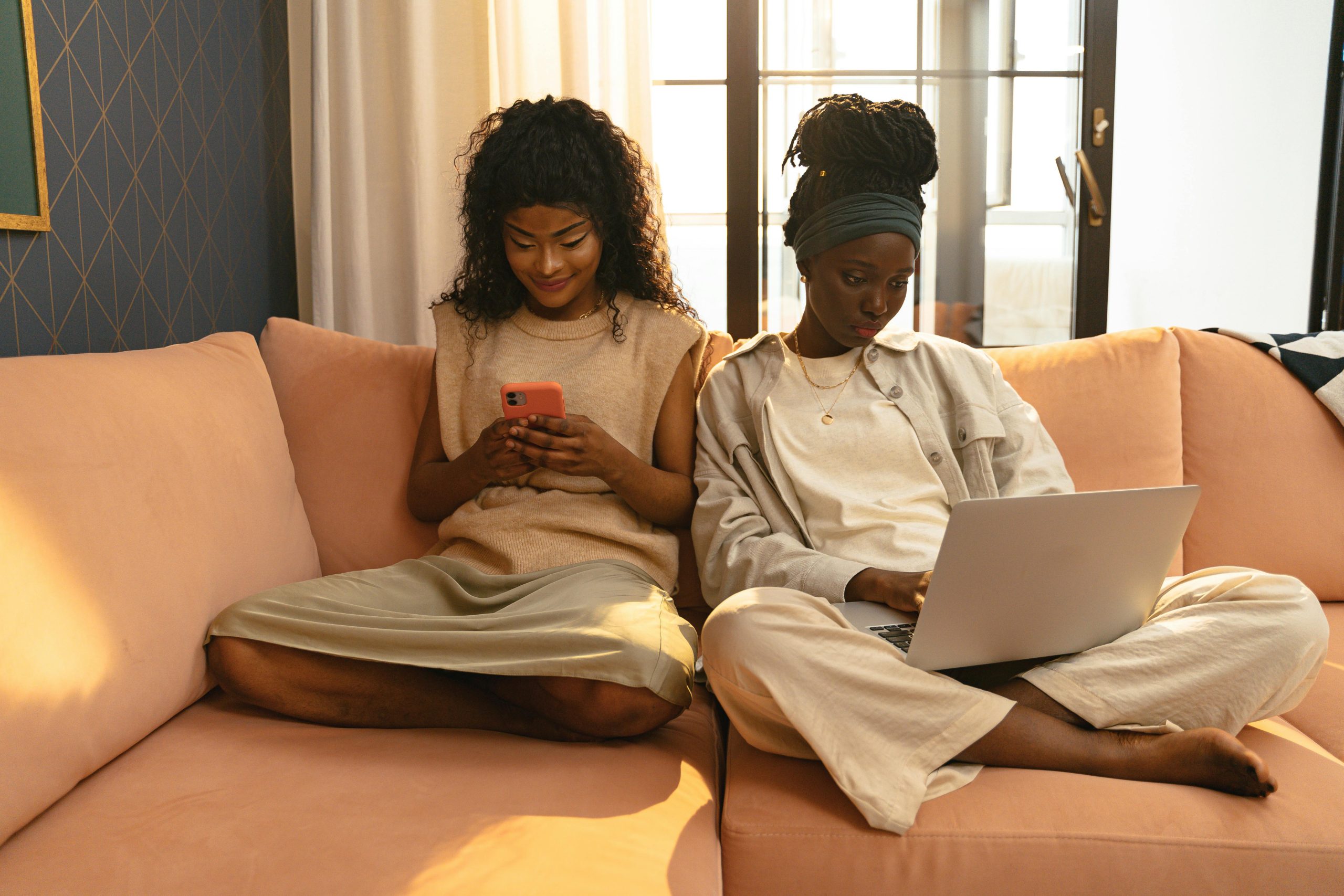
For decades, celebrity culture thrived on attention—adoration, criticism, debate, defense. Participation was the currency. But recently, something quieter and more powerful has been happening, especially among female audiences. Instead of arguing, correcting narratives, or engaging in endless discourse, many women are simply disengaging. Not with announcements. Not with outrage. With silence.
This shift isn’t accidental. It’s a response to fatigue. Celebrity culture has become louder, faster, and more demanding, asking audiences to care constantly—about scandals, reinventions, apologies, breakups, rebrands. For years, women were expected to participate emotionally: to analyze, empathize, defend, or condemn. That emotional labor is now being withdrawn.
On platforms like Instagram, unfollows are replacing call-outs. On TikTok, women are skipping celebrity discourse videos entirely, scrolling past drama without engaging. The algorithm notices. Silence, it turns out, is measurable.
What makes this moment significant is that disengagement is not apathy—it’s discernment. Many women aren’t rejecting pop culture altogether; they’re rejecting the terms of participation. They no longer want to be reactive audiences or unpaid amplifiers of celebrity narratives that offer little in return.
Celebrity culture today often relies on relatability theater: curated vulnerability, selective activism, and cyclical controversy designed to reignite relevance. Female audiences, increasingly media-literate, recognize the pattern. And instead of debating authenticity, they opt out entirely.
This withdrawal also reflects a broader cultural realignment. Women are prioritizing energy, boundaries, and interior lives. Time once spent dissecting celebrity missteps is being redirected toward wellness, creativity, private community, and personal growth. Silence becomes a form of self-respect.
Importantly, this disengagement disrupts power. Celebrity culture depends on attention loops—fans who defend, critics who attack, observers who share. When women step out of that loop, the system weakens. No backlash means no boost. No debate means no trending moment.
There’s also a gendered awareness at play. Women have long been overrepresented in fandoms and overburdened as cultural caretakers—expected to contextualize, soften, explain, and emotionally process public figures’ behavior. Choosing not to engage is a refusal of that role.
On YouTube, commentary channels note declining interest in celebrity-only content unless it offers genuine insight or cultural value. Pure gossip no longer holds the same pull. The audience hasn’t disappeared—it has matured.
Silence, in this context, is not passive. It’s strategic. It signals that relevance must be earned, not demanded. That access to attention is conditional. That women are no longer willing to subsidize celebrity ecosystems that don’t reflect their values or realities.
This doesn’t mean celebrity culture is ending. It means it’s being reshaped by absence rather than argument. By the people who once fueled it choosing not to participate.
In a digital world obsessed with visibility, choosing invisibility is a radical act. And right now, many women are making it—quietly, collectively, and with intention.
 Sara Jasmine