
 By Sara Jasmine
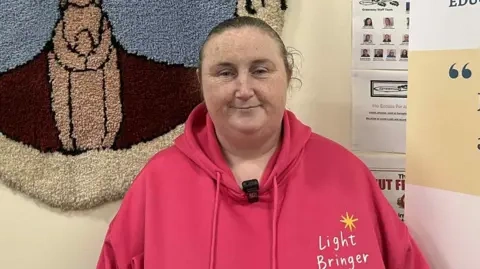
For many women across Britain, a specialist employment programme was more than a route back into work — it was a lifeline. Designed to support women facing long-term unemployment, caring responsibilities, health challenges, and confidence loss, the scheme helped thousands rebuild stability, skills, and self-belief.
Now, after funding cuts announced by the Department for Work and Pensions under the United Kingdom government, the programme is coming to an end.
Women who relied on it say the closure feels like having the rug pulled out from under them — just as they were getting back on their feet.
Unlike standard job search services, this women-focused employment scheme recognized the real barriers many women face when returning to work.
Participants received tailored support that included:
- Career coaching and confidence rebuilding
- Interview preparation and CV development
- Mental health and wellbeing guidance
- Flexible training options for mothers and carers
- Connections to employers who understood career gaps
For women who had spent years out of work raising children, recovering from illness, or escaping difficult circumstances, this approach made all the difference.
One participant explained:
“Before joining the programme, I felt invisible in the job market. I had no confidence and didn’t believe anyone would hire me. They helped me rebuild my skills, but more importantly, they helped me believe in myself again.”
Stories like this are repeated across communities — women gaining qualifications, securing long-term roles, and finally achieving financial independence.
Women re-entering the workforce often face challenges that traditional employment schemes fail to address.
- Long career gaps due to caregiving
- Reduced confidence after unemployment
- Limited access to affordable retraining
- Mental health struggles linked to financial stress
- Lack of flexible working opportunities
Generic job centres often focus on quick placements rather than long-term success. In contrast, specialist women’s programmes invest in sustainable employment — ensuring women are prepared, supported, and placed in roles where they can thrive.
Research consistently shows that targeted employment support produces better outcomes for people facing complex barriers to work.
The loss of this programme doesn’t just affect individuals — it ripples through entire communities.
Charities and local employment hubs warn the consequences could include:
- Rising long-term unemployment among women
- Increased reliance on government benefits
- Higher poverty levels for single-parent households
- Reduced workforce participation
- Greater mental health strain
When women lose access to meaningful employment support, families lose financial security and children lose stability.
Many women fear they’ll be forced back into low-paid, unstable work — or worse, no work at all.
Encouraging women back into employment isn’t just a social issue — it’s an economic one.
Women make up nearly half of the UK workforce. When they are supported into sustainable jobs:
- Household incomes rise
- Local economies grow
- Businesses gain skilled workers
- Public spending on benefits decreases
Ending a programme that actively helped women transition into long-term employment risks reversing years of progress.
At a time when labour shortages exist across multiple sectors, removing proven pathways back into work seems counterproductive.
Local support workers who helped run the scheme say they’ve seen transformations that would not have happened without specialized help.
One coach shared:
“Many of these women came in believing they had nothing to offer. Some hadn’t worked in 10 or 15 years. By the end, they were confident, trained, and in real jobs. This programme gave them their lives back.”
Another added:
“Standard job services don’t have the time or resources to deal with complex barriers. This programme did — and it worked.”
The fear now is that those same women will be left without meaningful support.
While government-funded employment services remain available, many women say they simply don’t provide the same depth of care.
Common complaints about standard services include:
- One-size-fits-all job matching
- Pressure to take unsuitable roles quickly
- Little emotional or confidence support
- No flexibility for parents or carers
- Minimal long-term career planning
Specialist women’s programmes succeeded because they treated employment as a journey — not a checkbox.
Over the last decade, significant effort has gone into improving gender equality in employment. Women-focused retraining schemes played a key role in:
- Helping mothers return after career breaks
- Supporting survivors of domestic hardship
- Empowering women into skilled roles
- Reducing long-term female unemployment
Removing these services risks widening the gender employment gap again — undoing years of progress.
Advocacy groups and community leaders are urging the government to reconsider funding decisions or replace the programme with equally targeted support.
They argue that effective employment schemes should:
- Address real-life barriers, not just job listings
- Offer tailored coaching and mental health support
- Partner with flexible and inclusive employers
- Focus on long-term career stability
Without this, many women will fall through the cracks of the system.
For thousands of women across the UK, this employment programme wasn’t simply about finding work — it was about reclaiming confidence, independence, and purpose.
Its success stories prove that when women receive the right support, they thrive — benefiting families, communities, and the economy alike.
Ending a proven, life-changing programme doesn’t just remove funding.
It removes opportunity.
If rebuilding lives mattered yesterday, it should matter today — and it should remain a priority for the future.