
 By Femme Wire
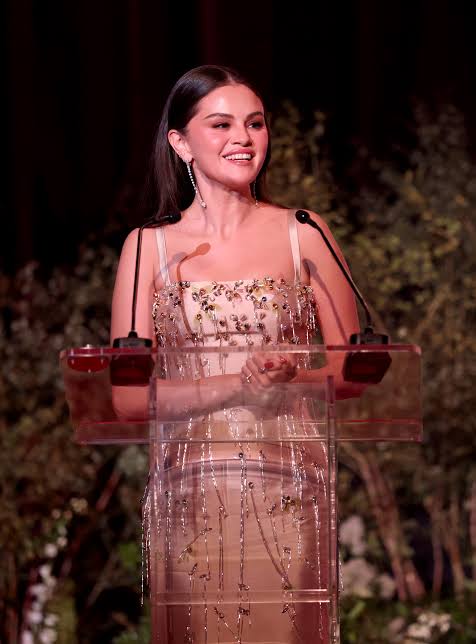
When a woman steps onto a red carpet, walks a major runway, or arrives at an event in an unforgettable outfit, the conversation often begins with the clothing. What designer created it? Who styled the look? Which accessories completed the ensemble? Will the silhouette become a trend?
But celebrity fashion carries meaning beyond the garment itself.
Clothing can communicate confidence, individuality, cultural identity, artistic ambition, and changing ideas about femininity. For women in entertainment, a fashion appearance can become part of a larger public narrative, connecting a personal image with conversations happening across the fashion industry and popular culture.
This season has offered several examples of that relationship. Taylor Swift’s appearance at the 2026 Academy Museum Gala brought attention to Dior and the continuing relationship between celebrity style and luxury fashion. Selena Gomez’s red Prada gown at her Rare Impact Fund benefit connected high-profile glamour with an event centered on mental health awareness. Meanwhile, the October 18 Victoria’s Secret Fashion Show combined dramatic runway styling, celebrity appearances, and music into a spectacle designed to reach audiences far beyond the venue.
Each event created a different kind of fashion conversation.
Some audiences focused on craftsmanship and luxury labels. Others discussed body confidence, celebrity image, personal expression, or the influence of fashion on contemporary femininity.
These conversations demonstrate why women’s fashion remains culturally significant. A single appearance can introduce a design to millions of people, revive interest in an earlier aesthetic, or encourage audiences to reconsider what makes a look memorable.
Celebrity fashion is not simply about being seen. It is about what people see, what they interpret, and what the image comes to represent.
Red carpets have become some of the most visible stages for contemporary fashion.
Film premieres, award ceremonies, charity galas, and industry celebrations offer celebrities opportunities to work with designers and stylists to create appearances that communicate something distinctive. The resulting photographs circulate through fashion publications, entertainment websites, and social media, often reaching audiences within minutes.
The 2026 Academy Museum Gala on October 17 demonstrated the variety of approaches women can bring to formal dressing. The event brought together established stars and contemporary cultural figures, with looks ranging from architectural gowns to embellished eveningwear and classic Hollywood silhouettes.
Taylor Swift wore Dior, while other attendees explored different combinations of texture, color, proportion, and embellishment. These choices illustrated an important aspect of celebrity style: there is no single formula for making an impression.
A structured gown can communicate precision and confidence. A flowing silhouette can feel romantic and dramatic. Crystal embellishments can create visual movement, while a minimalist design may draw attention to tailoring and fabric.
The meaning of an outfit also depends on the person wearing it and the context of the event.
A celebrity known for understated dressing may attract attention by choosing an elaborate gown. Someone associated with dramatic fashion may make a statement through a simpler, more restrained ensemble.
Red-carpet fashion therefore becomes a form of visual storytelling. The clothing creates an image, while the celebrity’s public identity and the event’s cultural significance help shape how audiences interpret it.
Taylor Swift’s fashion evolution demonstrates how clothing can become part of a broader public identity.
Across different stages of her career, Swift has embraced contrasting aesthetics, from romantic dresses and vintage-inspired details to polished tailoring and contemporary luxury eveningwear. Her choices often generate discussion because audiences connect her appearance with her music, performances, public appearances, and changing artistic eras.
Her Dior appearance at the 2026 Academy Museum Gala continued that relationship between celebrity image and luxury fashion.
For fashion audiences, the interest extends beyond identifying a designer. Fans may examine the silhouette, accessories, color palette, and styling choices while considering how the look relates to the celebrity’s established aesthetic.
This kind of attention can influence how audiences discover fashion houses and interpret particular trends. A garment worn by a highly recognizable artist may reach people who would not ordinarily follow runway coverage or luxury fashion publications.
However, a celebrity’s influence does not mean that every audience member will want to reproduce the look. Some may be inspired by the overall silhouette, while others may borrow only a color combination, accessory, or styling idea.
That is part of the cultural power of celebrity fashion: it can provide inspiration without requiring imitation.
The most enduring celebrity styles often leave room for interpretation. They offer recognizable elements while allowing audiences to adapt those ideas to their own preferences, budgets, and lifestyles.
Celebrity fashion can also become a gateway to conversations that extend beyond entertainment.
On October 14, Selena Gomez hosted the fourth annual Rare Impact Fund benefit in Los Angeles wearing a custom red Prada gown featuring sequin embellishments and a peplum silhouette. The appearance attracted attention for its dramatic color and eveningwear styling, but the event itself was centered on a broader issue: youth mental health.
Gomez launched the Rare Impact Fund alongside her beauty brand, Rare Beauty, with a mission to support organizations working to improve access to mental health resources for young people.
The combination of fashion and advocacy illustrates how a public appearance can operate on multiple levels.
The outfit attracts visual attention. The celebrity’s presence brings an audience to the event. The event then provides an opportunity to direct some of that attention toward a cause.
This does not mean clothing alone creates meaningful social change. Advocacy depends on sustained work, funding, partnerships, and the organizations delivering support. Yet celebrity visibility can help introduce a cause to people who might not otherwise encounter it.
For women in the spotlight, this relationship offers a way to combine personal presentation with professional or philanthropic commitments.
It also reminds audiences that a red-carpet photograph may be only one part of a larger story.
The dress is what people initially notice, but the purpose of the event can be what gives the appearance a deeper significance.
The Victoria’s Secret Fashion Show has long occupied a distinctive position between fashion presentation and entertainment spectacle.
Its October 18, 2026, return to Los Angeles combined elaborate wings, seasonal runway themes, celebrity performers, and recognizable models. Kylie Jenner made her runway debut wearing the returning Fantasy Bra, while Gigi Hadid, Adriana Lima, Ashley Graham, Paloma Elsesser, and other models contributed to a show that blended familiar elements with a contemporary entertainment format.
The all-female musical lineup included Megan Thee Stallion, Tate McRae, KATSEYE, and Megan Moroney, connecting runway fashion with music and performance.
The event’s cultural significance extends beyond individual outfits. It also raises questions about how femininity is represented, who gets included in fashion spectacles, and how brands adapt their imagery to changing audience expectations.
For years, mainstream fashion imagery often promoted a narrow set of beauty ideals. Contemporary audiences increasingly encounter a wider range of body types, personal styles, and interpretations of confidence across fashion campaigns and runway presentations.
Representation remains an ongoing conversation rather than a problem that any single show can resolve. Different audiences may disagree about whether a particular event reflects meaningful progress or relies on familiar commercial imagery.
Nevertheless, the discussion itself reveals how fashion is connected to wider cultural expectations.
A runway show can entertain audiences while also becoming a place where ideas about beauty, glamour, identity, and representation are examined.
Fashion is personal, which helps explain why celebrity looks can generate intense discussion.
A gown that one viewer considers elegant may seem predictable to another. A revealing silhouette may be interpreted as confident self-expression by some audiences and as a styling choice they would not personally embrace by others.
These differences reflect more than simple disagreements about clothing. They can also reveal competing expectations about how women should present themselves publicly.
Women in entertainment often face contradictory demands. They may be encouraged to take risks but criticized when an outfit is considered too unconventional. They may be praised for looking youthful while facing scrutiny over attempts to change their appearance. They may be celebrated for confidence while also being expected to conform to particular standards of attractiveness.
Celebrity fashion makes these tensions visible because public appearances are photographed, analyzed, and discussed on a massive scale.
The same outfit can become a symbol of confidence, a debate about taste, or an example of a trend that audiences either embrace or reject.
It is important to distinguish personal preference from universal judgment. A look does not have to appeal to every viewer to be creatively successful, and a celebrity does not have to follow conventional expectations to communicate a clear sense of style.
Fashion becomes more interesting when audiences can discuss its construction, intention, and cultural meaning rather than reducing every appearance to a simple verdict.
The influence of celebrity fashion once depended heavily on fashion magazines, professional photographers, designers, and television coverage. These sources remain important, but social platforms have changed the speed and scale of the conversation.
Today, a red-carpet image can be shared around the world almost immediately. Fans create outfit breakdowns, stylists explain their decisions, and creators compare current looks with archival fashion moments.
Audiences are no longer simply receiving fashion commentary. They are contributing to it.
This shift has created opportunities for smaller creators and independent fashion communities to influence discussions alongside established publications. A detailed styling analysis from a creator can reach people who might never read a traditional fashion review.
Social media also makes it easier for audiences to discover designers. A striking garment worn by a celebrity may prompt viewers to search for the label, explore its previous collections, or learn about the craftsmanship behind the piece.
At the same time, the rapid circulation of images can encourage superficial judgments. A cropped photograph may hide important details, while lighting and editing can change how colors, fabrics, and proportions appear.
A short video may also remove the context that explains why an outfit was chosen.
For this reason, the most useful fashion conversations combine immediate reactions with informed analysis. Understanding the garment, the designer’s approach, and the circumstances of the appearance can provide a more complete picture than a single viral image.
Celebrity fashion is often discussed as though the person wearing the outfit created the entire look alone. In reality, many public appearances involve collaboration among designers, stylists, tailors, makeup artists, hairstylists, photographers, and creative teams.
These professionals help shape how a celebrity is presented to the public.
The 2026 InStyle Imagemaker Awards, held in Los Angeles on October 15, highlighted the contributions of people working behind the scenes in fashion and beauty. Such recognition is important because the finished image is often the result of many different forms of expertise.
A stylist may select a vintage piece that connects with a designer’s current collection. A tailor may adjust the fit so that the garment moves correctly. A makeup artist may create a look that complements the fabric and color palette, while a hairstylist considers the neckline and overall silhouette.
These decisions can transform an outfit from a collection of separate elements into a coherent visual statement.
Recognizing this collaboration also offers a more complete understanding of women’s influence in fashion. Female celebrities may be the most visible participants, but women working as designers, stylists, editors, photographers, and creative directors also help determine which images enter the cultural conversation.
The result is an industry shaped by many voices, even when the public sees only one person on the red carpet.
One of the most practical effects of celebrity fashion is the way it inspires people to experiment with their own wardrobes.
A viewer does not need a custom couture gown to borrow an idea from a red-carpet appearance. A dramatic silhouette can inspire a more structured blazer. A jeweled accessory can become a statement earring. A rich color palette can influence the way someone combines pieces already in their closet.
The most useful approach is to identify the element that makes a look appealing and adapt it to real life.
For example, a celebrity wearing an embellished evening gown may inspire someone to introduce a metallic clutch into a simpler outfit. A monochromatic look may encourage experimentation with different textures in the same color family. A dramatic coat can provide a wearable interpretation of a runway silhouette.
This process turns celebrity fashion into a source of ideas rather than a shopping checklist.
It also makes room for individual expression. Personal style does not require expensive labels or exact copies of celebrity outfits. Fit, comfort, creativity, and thoughtful combinations can be just as important as the name on a garment.
The strongest wardrobes reflect the person wearing them, not simply the latest appearance receiving attention online.
The biggest fashion moments of the season reveal how clothing connects entertainment, commerce, identity, and public conversation.
Taylor Swift’s luxury styling demonstrates the relationship between celebrity recognition and designer visibility. Selena Gomez’s benefit appearance illustrates how a fashion moment can share attention with philanthropy. The Victoria’s Secret show shows how runway presentation has evolved into a broader entertainment experience that combines models, performers, and social media participation.
Together, these examples demonstrate that celebrity fashion is not a single, unified trend. It is a collection of different stories, each shaped by the person wearing the outfit, the creative team behind it, and the audience interpreting it.
Some looks will become references for future designers. Others will remain tied to a particular event or moment in pop culture. Many will inspire smaller details that appear later in everyday wardrobes.
Their significance cannot be measured only by how many photographs circulate or how many people praise an outfit.
A fashion moment may matter because it introduces a designer to a new audience, challenges a familiar beauty expectation, celebrates an individual’s creative identity, or connects an event with a meaningful cause.
That is why the most compelling conversations about women’s fashion go beyond deciding who wore what.
They explore what the clothing communicates, who helped create the image, and why the moment resonates with people.
Celebrity fashion will continue changing as designers experiment, public figures develop their personal aesthetics, and audiences bring new perspectives to the conversation.
The next defining look may come from a major awards ceremony, an unexpected street-style appearance, a runway presentation, or a celebrity choosing to challenge the image people expect from her.
What matters is not whether every appearance earns unanimous approval. It is whether fashion continues to provide women with opportunities for creativity, visibility, and self-expression.
Women in the spotlight influence the industry through the clothing they wear, the designers they support, the conversations they help generate, and the causes they choose to champion. Their impact is amplified by the teams working behind the scenes and by audiences who reinterpret these moments in their own lives.
A red-carpet appearance may last only a few minutes, but the ideas it introduces can travel much further.
The dress may capture the photograph. The person may capture the headlines. But the cultural impact comes from everything that happens afterward.
And that is what makes this season’s biggest fashion moments worth watching.
- Vogue — The Best Dressed Stars From the 2026 Academy Museum Gala
- ELLE — Every Must-See Look From the 2026 Academy Museum Gala
- People — Selena Gomez Shines in Red Prada Gown at Rare Impact Fund Benefit
- Rare Impact Fund — Official Website
- Reuters — Victoria’s Secret Fashion Show Returns to Los Angeles
- Harper’s Bazaar — All the Pink-Carpet Looks From the 2026 Victoria’s Secret Fashion Show
- InStyle — Celebrity Arrivals at the 2026 InStyle Imagemaker Awards
- The Metropolitan Museum of Art — The Costume Institute
 Sara Jasmine