
 By Sara Jasmine
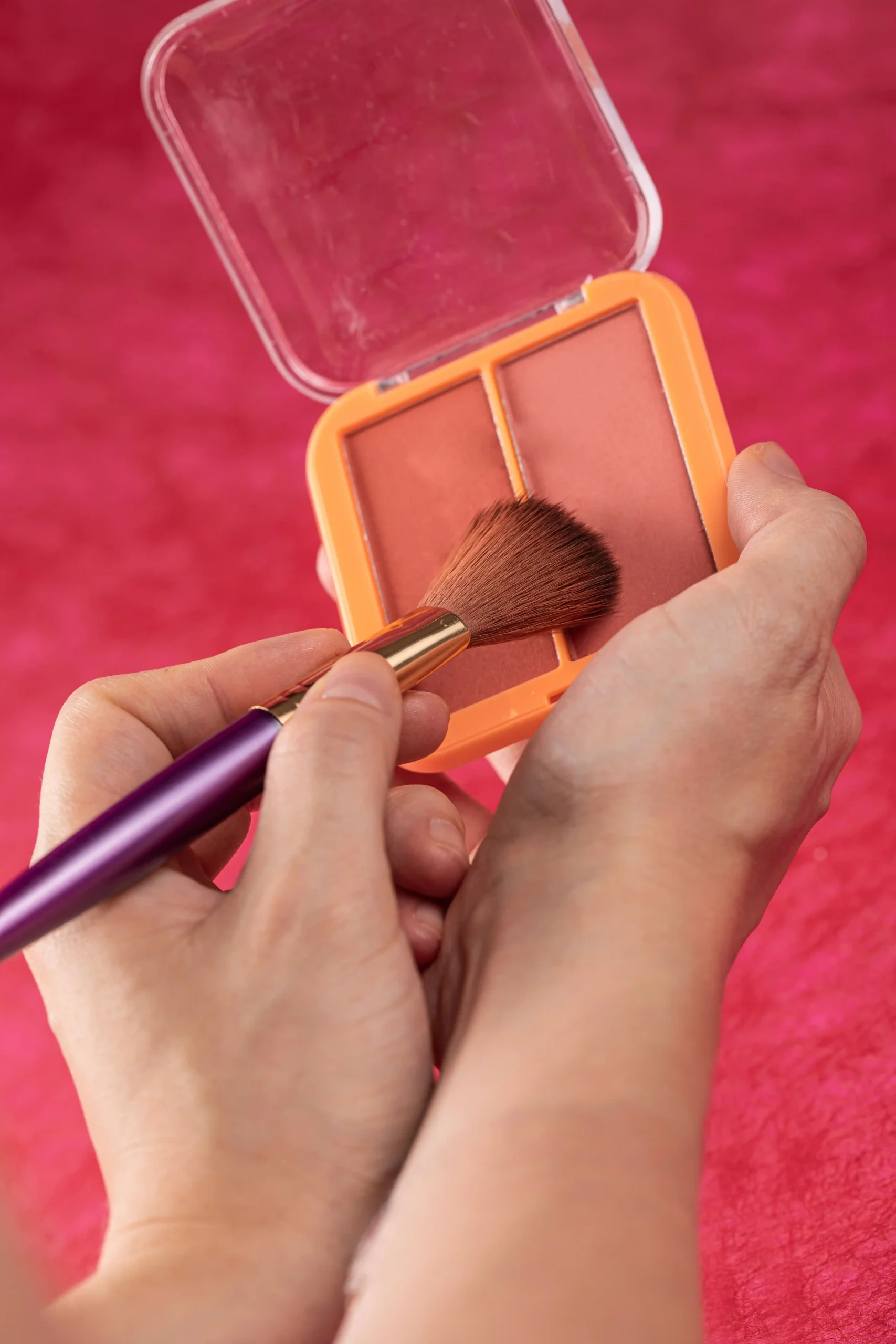
Blush has become an essential part of modern makeup routines, helping bring color, warmth, and dimension to the face. Whether you prefer a natural everyday look or a polished, glamorous finish, the right blush can make a noticeable difference in your overall appearance. With so many formulas available, however, choosing between liquid, cream, and powder blush can feel overwhelming. Each formula offers a different texture, finish, and application experience, and the best option often depends on your skin type, makeup preferences, and the look you want to achieve.
Understanding the differences between liquid vs. cream vs. powder blush can help you make a more informed decision when shopping for makeup. Some formulas create a fresh, dewy glow, while others deliver a soft, blurred finish or a more defined pop of color. Your skin’s natural oil production, texture, and hydration levels can also influence how each product performs throughout the day. Instead of choosing a blush simply because it is trending, learning how these formulas work can help you find one that complements your skin and fits naturally into your beauty routine.
Liquid, cream, and powder blush are designed to add color to the cheeks, but they differ in consistency, pigmentation, and how they interact with the skin. Liquid blush typically has a fluid texture that spreads easily and often provides a fresh, skin-like finish. Cream blush has a thicker, more emollient consistency that can blend seamlessly into the complexion, creating a soft and natural flush. Powder blush, on the other hand, comes in a dry formula that is usually applied with a makeup brush and can provide anything from a subtle matte finish to a luminous glow.
The main difference is not simply how these products look in their packaging. Their textures affect how easily they blend, how much coverage they provide, and how they wear over foundation or bare skin. A liquid formula may require only a small amount to create noticeable color, while a cream formula often allows you to build a soft flush gradually. Powder blush can be especially convenient for precise application and touch-ups throughout the day.
There is no single formula that works best for everyone. Your ideal blush depends on your personal preferences, the rest of your makeup routine, and how your skin behaves throughout the day.
Liquid blush is a lightweight, fluid cheek color that often comes in a tube, bottle, or packaging with a doe-foot applicator. Its consistency makes it easy to distribute small amounts of pigment across the cheeks before blending. Depending on the product, liquid blush can deliver a sheer wash of color or a more intense finish with only a few drops.
One of the biggest advantages of liquid blush is its ability to create a fresh, natural-looking flush. Many formulas blend into the complexion without leaving an obvious layer of product, making them appealing to people who enjoy lightweight makeup. Depending on the ingredients and finish, liquid blush may leave the skin looking dewy, satin-like, or softly radiant.
Liquid blush is also versatile. It can be applied over foundation or directly onto moisturized skin, provided the formula works well with the products underneath. Some makeup enthusiasts prefer using their fingertips to press the color into the cheeks, while others use a damp sponge or a dense blending brush for a more diffused result.
However, liquid blush can be highly pigmented, so applying too much at once is a common mistake. Starting with a small dot on each cheek and building the color gradually helps prevent uneven patches. It is also important to blend the product promptly because some formulas set quickly. If you use a water-based foundation, silicone-based foundation, or a particularly rich moisturizer, testing the products together can help you avoid pilling or separation.
Liquid blush is a good choice for anyone who wants buildable color and a fresh finish, especially when the formula complements their skin type and preferred makeup style.
Cream blush has a soft, creamy texture that spreads across the skin with the help of fingertips, a brush, or a sponge. It is available in pots, sticks, compacts, and tubes, making it easy to find a format that suits your routine. Cream formulas are particularly popular for natural makeup because they can create the appearance of color coming from within the skin rather than sitting visibly on top.
Many cream blushes provide a dewy or satin finish, although matte cream formulas are also available. Their blendable texture makes them useful for creating a gentle flush that can be intensified with additional layers. Cream blush also works well with minimalist makeup routines because it can be applied quickly and blended with relatively little equipment.
For people with dry skin, cream blush may be a comfortable option, particularly when it contains moisturizing ingredients such as emollients. Its creamy consistency can help the finished makeup look less flat or powdery. However, a cream blush does not automatically hydrate the skin, and the product’s actual ingredients matter more than its category alone.
Cream blush can also be a suitable choice for combination skin, especially when applied sparingly to the cheeks. People with oily skin can use cream blush too, but they may prefer a lightweight, longer-wearing formula or set it with a small amount of translucent powder.
Application technique matters. Applying cream blush over a well-prepared base and gently tapping it into the skin can help preserve the foundation underneath. Rubbing too aggressively may disturb the base and create uneven coverage. For a balanced finish, blend the edges until the color transitions naturally into the surrounding skin.
Powder blush is one of the most familiar makeup formulas. It usually comes in a pressed compact or loose powder form and is applied with a fluffy or angled makeup brush. Powder blush offers a wide range of finishes, including matte, satin, shimmer, and luminous textures.
One of its main benefits is ease of application. A powder formula can be layered gradually, making it easier to control the intensity of the color. It is also convenient for makeup touch-ups because it can be carried in a compact and applied without adding much moisture to the skin.
Powder blush is often a favorite for people with oily skin because it can work well with a setting powder or a mattifying foundation. Certain formulas can help the complexion look less shiny, although blush alone should not be expected to control oil throughout the face. A well-formulated powder blush can also provide a soft-focus effect that makes the overall makeup look more polished.
The main concern with powder blush is that some formulas may emphasize dry patches, flaky areas, or visible skin texture. Applying powder over skin that has not been adequately moisturized can make the finish appear uneven. Using too much product may also leave concentrated patches of color, particularly when the brush picks up a large amount of pigment.
For a smoother application, tap excess product from the brush before touching the cheeks. Apply the color in light layers, blending the edges as you go. If your skin is dry, a finely milled satin or luminous powder blush may be more flattering than an especially dry, heavily matte formula.
When comparing liquid vs. cream vs. powder blush, your skin type is a useful starting point. However, it should not be the only factor in your decision. The finish you prefer, the products you already use, and your desired wear time are equally important. Two people with the same skin type may prefer entirely different formulas because their makeup routines and personal tastes are different.
Cream blush is often a strong option for dry skin because its smooth texture can blend comfortably over a well-moisturized complexion. It can create a natural, radiant appearance without the visibly powdery finish that some dry skin types experience with matte powders. Liquid blush can also work well, especially when the formula has a flexible, hydrating feel and does not cling to dry patches.
Powder blush is not automatically unsuitable for dry skin. A finely milled formula with a satin or luminous finish may look beautiful when applied over properly prepared skin. The key is to moisturize first, allow skincare to settle, and avoid applying excessive powder over areas that are already flaky.
Powder blush is often a practical choice for oily skin because it can complement a mattifying base and help maintain a less shiny appearance. Matte and satin finishes are particularly useful for people who prefer a soft, controlled look. Long-wearing liquid blushes may also work well, especially if they set down without leaving a slippery finish.
Cream blush can still be worn on oily skin. Look for a formula that does not feel overly greasy and test how it performs throughout the day. If needed, lightly set the blush with a compatible powder blush or translucent setting powder. Using too much powder, however, can make the cheeks appear heavy, so apply it gradually.
Combination skin can benefit from flexibility. If your cheeks are dry while your forehead and nose become oily, you may find that a cream or liquid blush creates a more comfortable finish on your cheeks. You can then use powder selectively on areas that tend to become shiny.
A powder blush can also work well across the cheeks if your skin is adequately hydrated. There is no need to use a different blush formula for every area of your face, but adjusting the amount of skincare and setting products can help you achieve a more balanced result.
Normal skin can generally accommodate liquid, cream, and powder blush, so your choice can focus on your preferred finish. Cream blush is ideal for a soft, natural flush, liquid blush offers buildable color and a fresh appearance, and powder blush provides convenient application with plenty of finish options.
If you enjoy experimenting with makeup trends, normal skin can be a good starting point for testing different textures. Pay attention to how each formula blends with your foundation and how it looks after several hours of wear.
For mature skin, the goal is often to find a formula that blends smoothly without emphasizing texture or fine lines. Cream and liquid blushes with a natural or satin finish may be appealing because they can create a fresh appearance without an overly powdery effect.
Powder blush can also look flattering when the formula is finely milled and applied with a light hand. Avoid assuming that every cream formula is better for mature skin or that every powder formula is unsuitable. Skin preparation, product formulation, and application technique can make a greater difference than the category alone.
Your desired finish can be just as important as your skin type. Liquid blush is often associated with a dewy or fresh finish, although some formulas dry down to a more natural appearance. It is a useful choice when you want your cheeks to look softly flushed without creating a heavy makeup effect.
Cream blush commonly provides a natural, satin, or luminous finish. It is especially useful for everyday makeup because it can add color while maintaining the appearance of skin. Depending on the formula, cream blush can also be layered with other complexion products to create a more defined look.
Powder blush offers the broadest range of familiar finishes, from soft matte to shimmering and radiant. A matte formula can complement a polished makeup look, while a luminous powder can add dimension to the cheeks. If you want a particular finish, always check the product description and swatches instead of assuming that every blush in a category will look the same.
Proper application can help any blush formula look more natural. Before applying makeup, cleanse your face and use skincare products suited to your skin. Allow moisturizer and sunscreen to settle before applying foundation or blush. This can help reduce pilling and improve the way makeup blends.
For liquid blush, place a small amount on the back of your hand or directly onto your blending tool rather than applying a large quantity to both cheeks at once. Tap the color onto the apples of your cheeks or slightly higher toward the cheekbones, depending on your preferred look. Blend the edges and add more product only when necessary.
For cream blush, use your fingertips, a brush, or a sponge to press the product gently into the skin. Start with a small amount and blend outward. If you are wearing foundation, avoid rubbing too firmly because this may lift the base underneath. For a seamless appearance, make sure there are no harsh edges where the blush meets your foundation.
For powder blush, pick up a small amount using a soft brush and tap off any excess. Sweep the product lightly across the cheeks, building the color in thin layers. If you want a subtle result, use a fluffy brush and diffuse the edges. For stronger color, a denser brush can provide more concentrated application.
Blush placement can also change the overall effect of your makeup. Applying blush to the apples of the cheeks can create a youthful, rounded appearance, while blending it upward toward the temples can give the face a more lifted look. Experiment with placement to discover what complements your features.
Yes, you can combine blush formulas to customize the color and finish. Layering can help create dimension and may improve wear when the products work well together. For example, you can apply a small amount of liquid or cream blush first, blend it thoroughly, and then lightly apply powder blush in a similar shade to intensify the color or adjust the finish.
The secret is to use thin layers rather than applying several heavy coats. Too much product can cause patchiness, emphasize texture, or make the makeup feel uncomfortable. It is also helpful to test compatibility, because some formulas may separate or become uneven when layered over certain foundations or skincare products.
If you prefer a simple routine, there is no need to combine formulas. One well-chosen blush can provide plenty of color and definition. Layering is an option for those who enjoy experimenting, not a requirement for achieving a beautiful result.
One of the most common mistakes is applying too much blush at once. Highly pigmented formulas can become intense very quickly, so it is better to begin with a small amount and build gradually. This is particularly important with liquid blush, which may spread more than expected before it is fully blended.
Another mistake is choosing a finish without considering skin preparation. Powder can emphasize flaky areas when the skin is dry, while a rich cream formula may feel too heavy for someone who prefers a lightweight finish. Choosing products that complement your skin and routine can help prevent these problems.
Using the wrong tool or blending too aggressively can also affect the final result. A soft brush, sponge, or clean fingertip can work well, depending on the formula. Gentle blending helps maintain an even layer of makeup, while harsh rubbing may disturb the foundation underneath.
Finally, do not rely exclusively on online trends or popular shades. A blush that looks beautiful on one person may appear different on another because of skin tone, undertone, lighting, and the products used underneath. Whenever possible, test shades in natural light and consider how they look after blending.
The best blush is one that feels comfortable, blends easily, and creates the finish you want without requiring unnecessary effort. If you enjoy a dewy, fresh complexion, start by exploring liquid blushes with a natural finish. If you prefer a soft, skin-like flush and a quick application process, a cream blush may be worth trying. If you value convenience, easy touch-ups, and a choice of matte or luminous finishes, powder blush may be the most practical option.
Your lifestyle can also influence your choice. For a simple workday makeup routine, you might prefer a blush that blends quickly and pairs well with your sunscreen and foundation. For special occasions, you may want a formula that can be layered for more intense color. If you live in a hot or humid climate, test how your chosen blush wears in your usual conditions rather than relying only on claims about long-lasting performance.
You do not need to own all three formulas to achieve a polished makeup look. Start with the texture that best matches your skin’s needs, then experiment with other formulas if you want different finishes. Reading ingredient lists, testing shades, and checking how products perform over your existing makeup can help you make a more confident purchase.
When comparing liquid vs. cream vs. powder blush, there is no universal winner. Liquid blush is a great option for buildable color and a fresh finish. Cream blush is popular for its blendable texture and natural-looking flush, while powder blush offers versatility, convenience, and a wide range of finishes.
For dry skin, cream or liquid blush may be a comfortable starting point. For oily skin, powder or a lightweight setting liquid formula may suit your routine. Combination skin can benefit from either approach, while normal and mature skin types can explore all three depending on their preferences and skin preparation.
Ultimately, the best blush is the one that works with your skin, complements your makeup style, and makes you feel confident. Understanding the differences between liquid, cream, and powder formulas allows you to choose products more thoughtfully and create a finish that looks natural, balanced, and uniquely yours.
 Femme Wire