
 By Sara Jasmine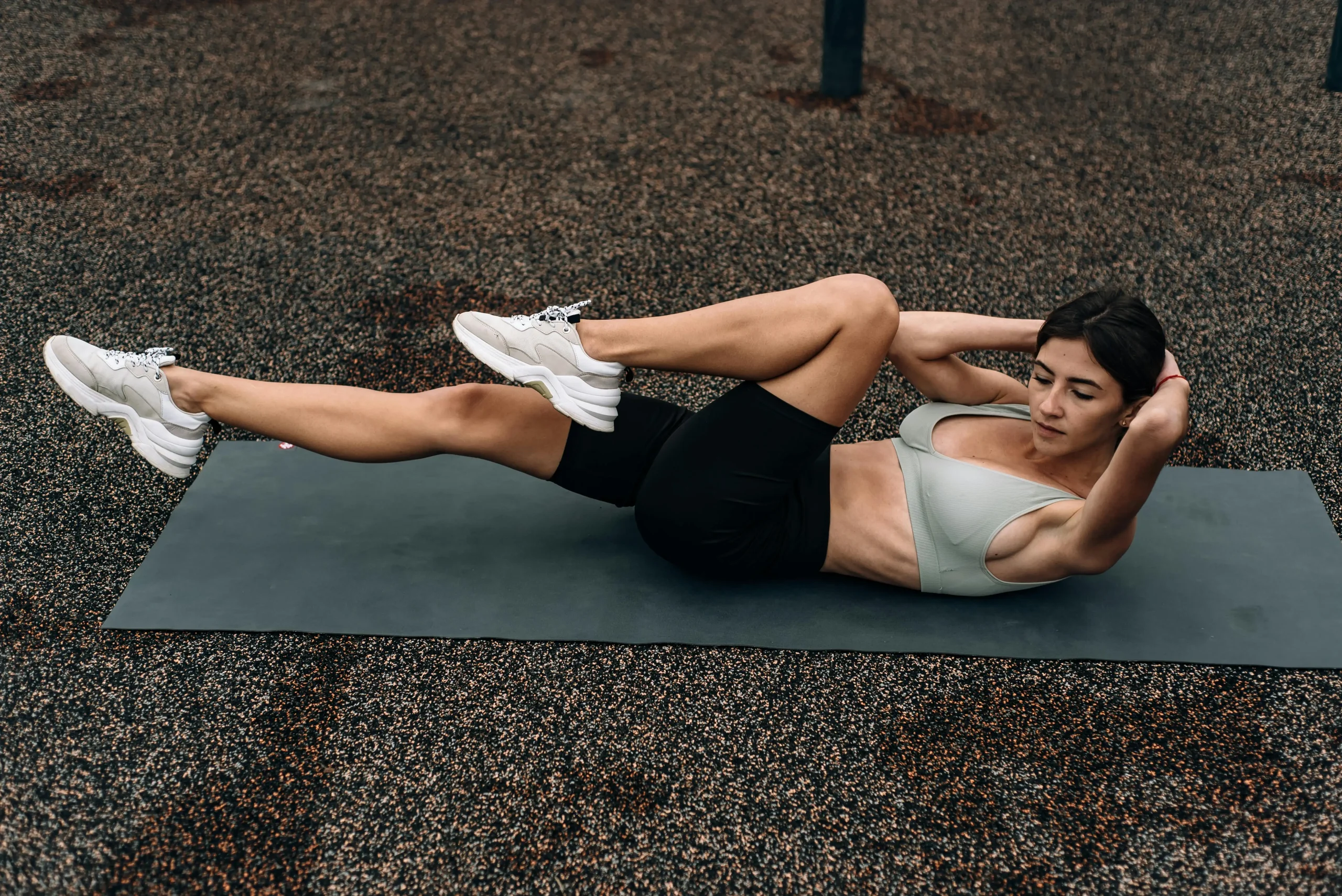
Exercise is one of the most important habits you can adopt for a healthy lifestyle. Beyond aesthetics, regular physical activity improves mental clarity, energy levels, and overall well-being. Whether you’re a beginner or a seasoned athlete, understanding the best exercises, techniques, and strategies can help you achieve long-term results. This guide will cover the benefits of exercise, different workout types, practical tips, and ways to stay motivated for lasting fitness success.
Exercise isn’t just about losing weight or building muscle. It’s a crucial component of physical, mental, and emotional well-being. Regular exercise can:
- Boost cardiovascular health by strengthening your heart and improving blood circulation
- Increase muscle strength and flexibility, reducing the risk of injury
- Enhance mental health, lowering stress, anxiety, and depression
- Support weight management by burning calories and boosting metabolism
- Improve sleep quality, helping your body recover and repair
- Strengthen bones and joints, preventing osteoporosis and joint problems
In short, staying active is a cornerstone of a long, healthy, and productive life.
For optimal fitness, your routine should combine various exercise types. Each type targets different aspects of health and performance.
Also known as cardio, these exercises increase your heart rate and improve endurance. Cardiovascular workouts help burn calories, strengthen the heart, and enhance lung capacity. Popular cardio activities include:
- Running or jogging
- Cycling or spinning
- Swimming
- Jump rope
- HIIT (High-Intensity Interval Training)
For general health, aim for 150 minutes of moderate-intensity cardio per week, or 75 minutes of vigorous-intensity cardio. Cardio can also help manage stress and elevate mood through endorphin release.
Strength training is essential for building muscle, improving metabolism, and maintaining functional fitness. Incorporating resistance exercises into your routine has long-term benefits for both appearance and health. Examples include:
- Weightlifting (dumbbells, barbells, kettlebells)
- Bodyweight exercises (push-ups, squats, lunges, planks)
- Resistance bands or gym machines
For best results, target all major muscle groups at least 2-3 times per week. Strength training also improves bone density, which is especially important as we age.
Flexibility exercises increase your range of motion, prevent injuries, and enhance posture. Mobility exercises focus on joint function and movement efficiency. Common practices include:
- Yoga
- Pilates
- Dynamic and static stretching routines
Aim to incorporate stretching daily or at least after workouts to keep muscles and joints healthy and reduce stiffness.
A strong core is critical for stability, posture, and overall body coordination. Core and balance exercises help prevent injuries and improve athletic performance. Some effective exercises include:
- Planks and side planks
- Stability ball workouts
- Tai Chi and balance drills
- Bird dogs and mountain climbers
Improving balance is especially important for older adults, reducing the risk of falls and promoting independent movement.
Different goals require tailored exercise routines. Here’s how you can optimize your workouts:
- Combine cardio and strength training
- Incorporate HIIT workouts for maximum calorie burn
- Monitor diet and hydration alongside exercise
- Focus on progressive overload in strength training
- Consume sufficient protein and nutrients
- Allow rest and recovery for optimal muscle growth
- Practice yoga or Pilates regularly
- Include dynamic stretches before workouts and static stretches after
- Use foam rollers for muscle recovery
- Try moderate cardio, like walking or cycling, which releases endorphins
- Include mind-body exercises, such as yoga or tai chi
- Exercise outdoors to benefit from sunlight and nature
Consistency is the key to achieving fitness goals. Here are strategies to maintain motivation:
- Set Achievable Goals: Break long-term objectives into smaller milestones.
- Create a Schedule: Treat workouts like appointments.
- Track Your Progress: Use fitness apps or journals to monitor improvements.
- Mix It Up: Avoid boredom by alternating cardio, strength, and flexibility workouts.
- Find a Workout Buddy: Exercising with friends increases accountability and enjoyment.
- Reward Yourself: Celebrate milestones with new workout gear or a spa day.
Consistency, variety, and positive reinforcement make long-term exercise habits easier to maintain.
Exercise is a natural mood booster. Regular activity can:
- Reduce stress and anxiety
- Improve sleep quality
- Enhance cognitive function and memory
- Boost self-confidence and self-esteem
- Promote emotional resilience
Even 10-15 minutes of movement daily can improve mood and mental clarity, making exercise a powerful tool for overall wellness.
Even with a hectic schedule, you can stay active:
- Short HIIT sessions: 15-20 minutes of high-intensity exercises deliver major benefits.
- Active commuting: Walk or cycle to work when possible.
- Micro-workouts: Stretch or perform bodyweight exercises during work breaks.
- Weekend warrior sessions: Longer workouts on weekends can make up for shorter weekday sessions.
Remember, consistency matters more than duration. Daily movement, even in small doses, adds up to long-term health benefits.
To get the most out of your workouts, avoid these common pitfalls:
- Skipping warm-up or cool-down: Can lead to injuries and delayed recovery.
- Overtraining: Too much exercise without rest can cause fatigue and setbacks.
- Neglecting nutrition: Proper fuel is essential for performance and recovery.
- Ignoring form and technique: Poor form can lead to injuries and limit results.
- Focusing on one type of exercise only: Balance cardio, strength, flexibility, and core work.
By avoiding these mistakes, you ensure safer and more effective workouts.
A balanced weekly routine should include:
- 3-4 days of cardio: Running, cycling, swimming, or HIIT
- 2-3 days of strength training: Focus on all major muscle groups
- Daily stretching or mobility exercises: Yoga, Pilates, or dynamic stretches
- 2-3 balance and core sessions: Planks, stability work, or functional movements
Adjust frequency, intensity, and duration based on your fitness level and goals. Gradual progression is the key to avoiding injury and building sustainable habits.
Exercise is much more than a fitness trend — it’s a lifestyle that improves physical, mental, and emotional well-being. By combining cardio, strength training, flexibility, and balance exercises, anyone can achieve optimal health and energy levels.
Remember, the best exercise routine is the one you enjoy and can maintain consistently. Start small, stay committed, and gradually challenge your body. With the right mindset and strategy, you can build a healthier, stronger, and more energized version of yourself — one workout at a time.
 Femme Wire