
 By Femme Wire
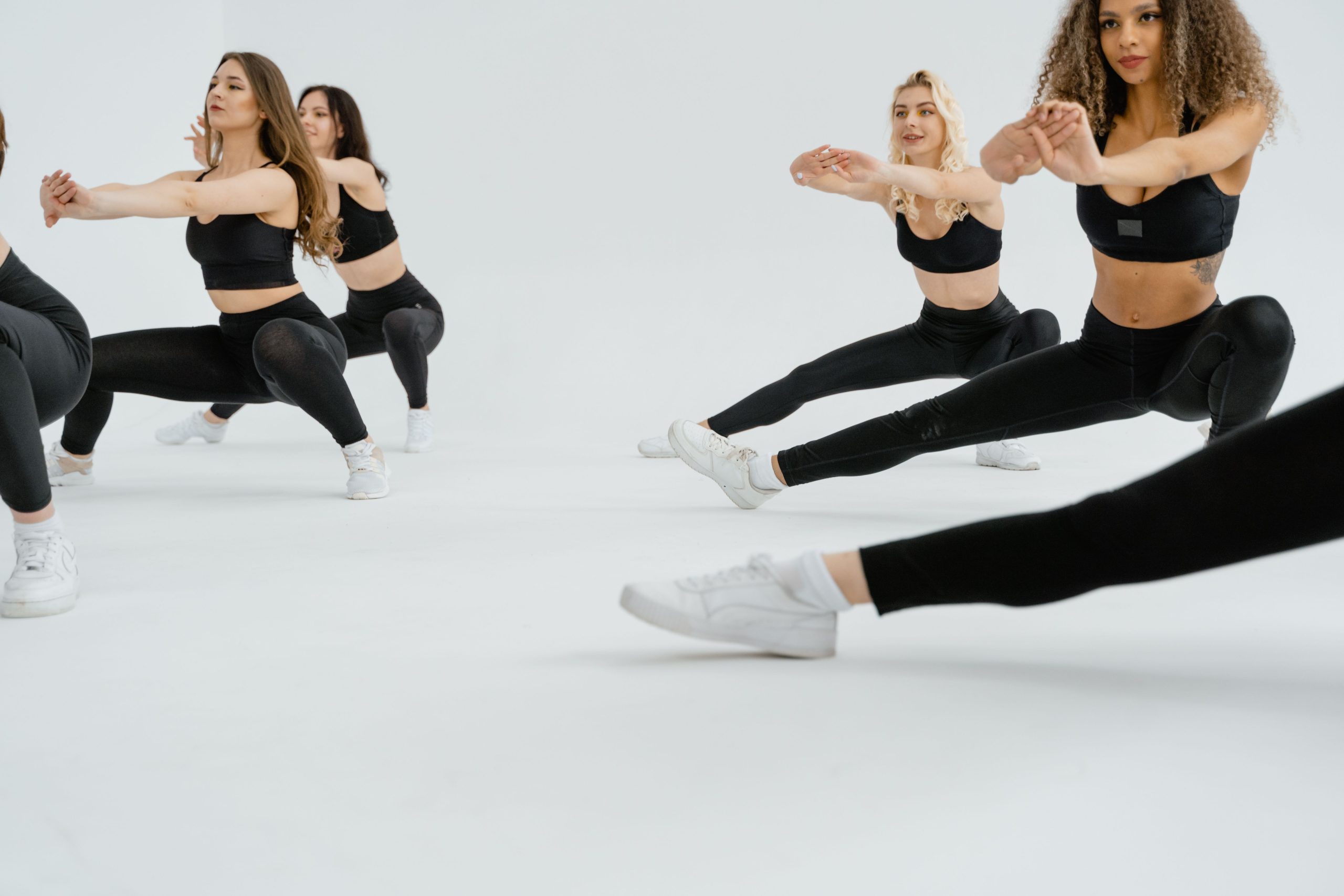
The wellness industry has undergone significant changes over the past decade, but one trend remains remarkably consistent: women continue to shape many of the conversations that define health, lifestyle, and self-improvement. In 2026, female consumers are influencing everything from nutrition habits and fitness routines to mental health discussions and personal development strategies, making them one of the most powerful forces in the wellness economy.
Much of this influence stems from the way wellness information is shared today. Social media platforms, podcasts, newsletters, and online communities have made health-related content more accessible than ever before. Women are often at the center of these spaces, creating, sharing, and discussing ideas that quickly spread across broader audiences.
One area where this influence is particularly visible is holistic health. Wellness is no longer viewed solely through the lens of physical fitness. Conversations increasingly include sleep quality, stress management, emotional wellbeing, work-life balance, and long-term health. This broader perspective has helped redefine what it means to live a healthy lifestyle.
Nutrition trends also reflect this shift. Rather than focusing exclusively on restrictive diets, many wellness discussions now emphasize sustainable eating habits, balanced nutrition, and overall wellbeing. Topics such as gut health, protein intake, hydration, and mindful eating continue gaining attention across digital platforms and consumer markets.
Mental health remains another major area of focus. Women have played a significant role in normalizing conversations around burnout, anxiety, emotional resilience, and self-care. As a result, discussions that were once considered highly personal are increasingly becoming part of mainstream wellness culture.
The rise of creator-driven content has amplified these trends even further. Wellness influencers, health professionals, entrepreneurs, and lifestyle creators are reaching millions of people through educational content that combines expert insights with relatable personal experiences. This has made wellness information more approachable for a wider audience.
Businesses have taken notice as well. Companies across beauty, fitness, nutrition, and healthcare sectors are increasingly developing products and services that align with evolving consumer priorities. Demand for personalized wellness experiences continues growing as individuals seek solutions tailored to their specific goals and lifestyles.
Technology is also supporting this movement. Wearable devices, health-tracking applications, meditation platforms, and virtual fitness programs have become common tools for managing wellbeing. Women represent a significant portion of the audience engaging with these digital health resources.
Importantly, the modern wellness conversation is becoming less about perfection and more about sustainability. Rather than pursuing unrealistic standards, many consumers are prioritizing consistency, balance, and long-term habits that fit into everyday life. This approach has helped make wellness feel more accessible and achievable.
The influence of women on wellness culture extends far beyond consumer spending. Through content creation, community building, entrepreneurship, and advocacy, women continue to shape how society thinks about health and self-improvement.
As the wellness industry continues to evolve, it is clear that many of its biggest trends are being driven not only by products and services, but by the conversations women are leading every day.
- McKinsey Health Institute
- World Health Organization (WHO) – Health and Wellbeing
- Harvard T.H. Chan School of Public Health
- Pew Research Center – Digital Culture and Lifestyle Trends
- Global Wellness Institute
- Deloitte – Consumer Wellness Insights
- World Economic Forum – Future of Health and Healthcare
- Harvard Business Review – Consumer Behavior and Wellness
 Sara Jasmine