
 By Femme Wire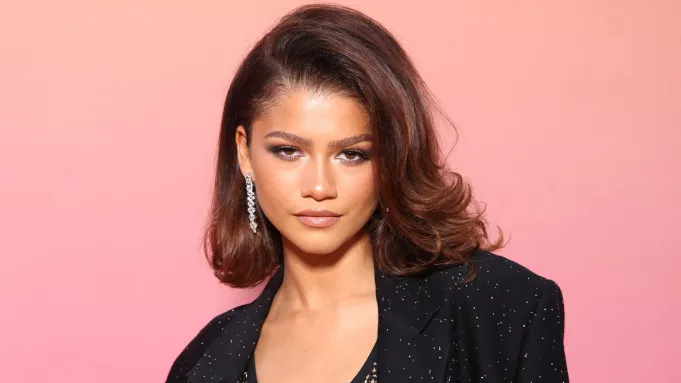
There are weeks in entertainment when trends feel scattered—different stories competing for attention, each rising and falling within hours. And then there are weeks like this one, where a clear pattern emerges. Across streaming platforms, social media, music charts, and headlines, one thing is undeniable: female-led entertainment isn’t just present—it’s driving the conversation.
From chart-topping releases to viral interviews, from streaming hits to red carpet moments, women are not only shaping what audiences are watching and listening to—they’re defining how culture itself moves in real time.
This week is a perfect example of that shift.
At the center of the conversation are artists like Taylor Swift and Beyoncé, whose influence continues to stretch far beyond music. Whether it’s the ongoing impact of global tours, strategic re-releases, or the constant viral life of their past performances, both artists remain fixtures in online discourse. Their ability to re-enter the conversation at any moment—often without even releasing new material—speaks to a deeper kind of cultural dominance.
But what’s different now is how widespread that influence has become.
It’s no longer limited to a handful of mega-stars. Across platforms like Netflix and Amazon Prime Video, female-led shows and films are consistently outperforming expectations, driving engagement not just through viewership, but through discussion. Audiences aren’t just watching—they’re reacting, analyzing, and sharing.
And that engagement is measurable.
Streaming data, social media trends, and online discourse all point to the same conclusion: when women lead the story, audiences show up—and they stay engaged. These aren’t passive просмотры. They’re active cultural moments that spill over into TikTok edits, long-form YouTube breakdowns, and endless comment threads.
Part of what makes this moment so significant is how it reflects a shift in audience expectations.
For years, female-led projects were often treated as niche or secondary—important, but not necessarily central to the industry’s biggest bets. That’s no longer the case. Today, these projects are not only mainstream—they’re leading the mainstream.
And they’re doing it on their own terms.
Take someone like Zendaya. Whether she’s starring in a high-profile series or making headlines for her off-screen presence, her influence operates on multiple levels at once. She represents a generation of performers who are just as impactful online as they are on screen. Every appearance becomes content. Every project becomes a conversation.
That dual presence—both as an artist and a digital figure—is key to understanding why female-led entertainment is driving so much engagement right now.
It’s not just about the work itself. It’s about how that work lives online.
Moments don’t end when the credits roll. They evolve. A single scene can become a meme. A line of dialogue can turn into a viral sound. A performance can spark debates about themes, representation, and meaning. And increasingly, those moments are coming from projects led by women.
This week alone, multiple female-driven releases have dominated trending pages, not just because of their content, but because of how audiences are interacting with them. Fans are creating edits, writing think pieces, and building communities around shared interpretations. That kind of engagement doesn’t happen by accident—it’s a sign that the content is resonating on a deeper level.
There’s also a noticeable shift in the kinds of stories being told.
Female-led entertainment today is more diverse, more complex, and more willing to take risks than ever before. It’s not confined to a single genre or perspective. It spans everything from drama to comedy, from action to experimental storytelling. And it often centers voices and experiences that were previously underrepresented.
That variety is part of what makes it so compelling.
Audiences are no longer looking for one type of story—they’re looking for authenticity. They want characters who feel real, narratives that challenge expectations, and perspectives that expand their understanding of the world. Female-led projects are increasingly delivering on all of those fronts.
And when they do, the response is immediate.
Social media amplifies everything. A powerful scene can trend within minutes. A standout performance can generate thousands of posts overnight. A single interview clip can reshape how audiences view an entire project. The speed at which these moments spread is unprecedented, and it plays a huge role in why certain stories dominate the cultural conversation.
It’s also worth noting how this moment intersects with the broader evolution of celebrity.
Women in entertainment are no longer just participants in the system—they’re shaping it. Many are producing their own projects, building their own brands, and using their platforms to control their narratives. This level of agency changes the dynamic entirely.
Instead of waiting for opportunities, they’re creating them.
And audiences are responding to that shift. There’s a growing appreciation for artists who are not only talented, but intentional—who have a clear vision and the ability to execute it across multiple platforms. That kind of creative control adds another layer of meaning to their work, making it feel more personal and more impactful.
This is especially evident in how fans engage with female artists online.
The relationship is more interactive, more immediate, and more emotionally invested. Fans aren’t just consuming content—they’re participating in it. They’re part of the conversation, part of the promotion, and sometimes even part of the storytelling itself.
That level of engagement is incredibly powerful.
It turns individual projects into collective experiences. It transforms entertainment into community. And it ensures that certain voices remain at the center of the conversation long after the initial release.
Of course, this doesn’t mean the industry has fully solved its long-standing issues around representation and equity. There’s still work to be done. But the current moment suggests real progress—not just in terms of visibility, but in terms of influence.
Female-led entertainment isn’t just being recognized—it’s being prioritized.
Studios and streaming platforms are paying attention to the numbers, and the numbers are clear. Projects led by women are driving engagement, generating buzz, and delivering results. That makes them not just culturally significant, but commercially essential.
It also sets the stage for what comes next.
As more resources are invested in these projects, we’re likely to see even greater diversity in storytelling, even more ambitious productions, and even stronger connections between creators and audiences. The momentum is already there—it’s just a matter of how far it can go.
This week’s cultural landscape offers a snapshot of that momentum in action.
From music to film to digital media, women are leading the conversation in ways that feel both immediate and lasting. They’re shaping trends, influencing discourse, and redefining what it means to dominate the entertainment industry.
And perhaps most importantly, they’re doing it in a way that feels sustainable.
This isn’t a fleeting moment or a temporary shift. It’s part of a larger transformation in how stories are told, who gets to tell them, and how audiences engage with them.
The conversation isn’t just about what’s popular this week.
It’s about who is driving culture forward.
And right now, that answer is clearer than ever.
 Sara Jasmine