
 By Sara Jasmine
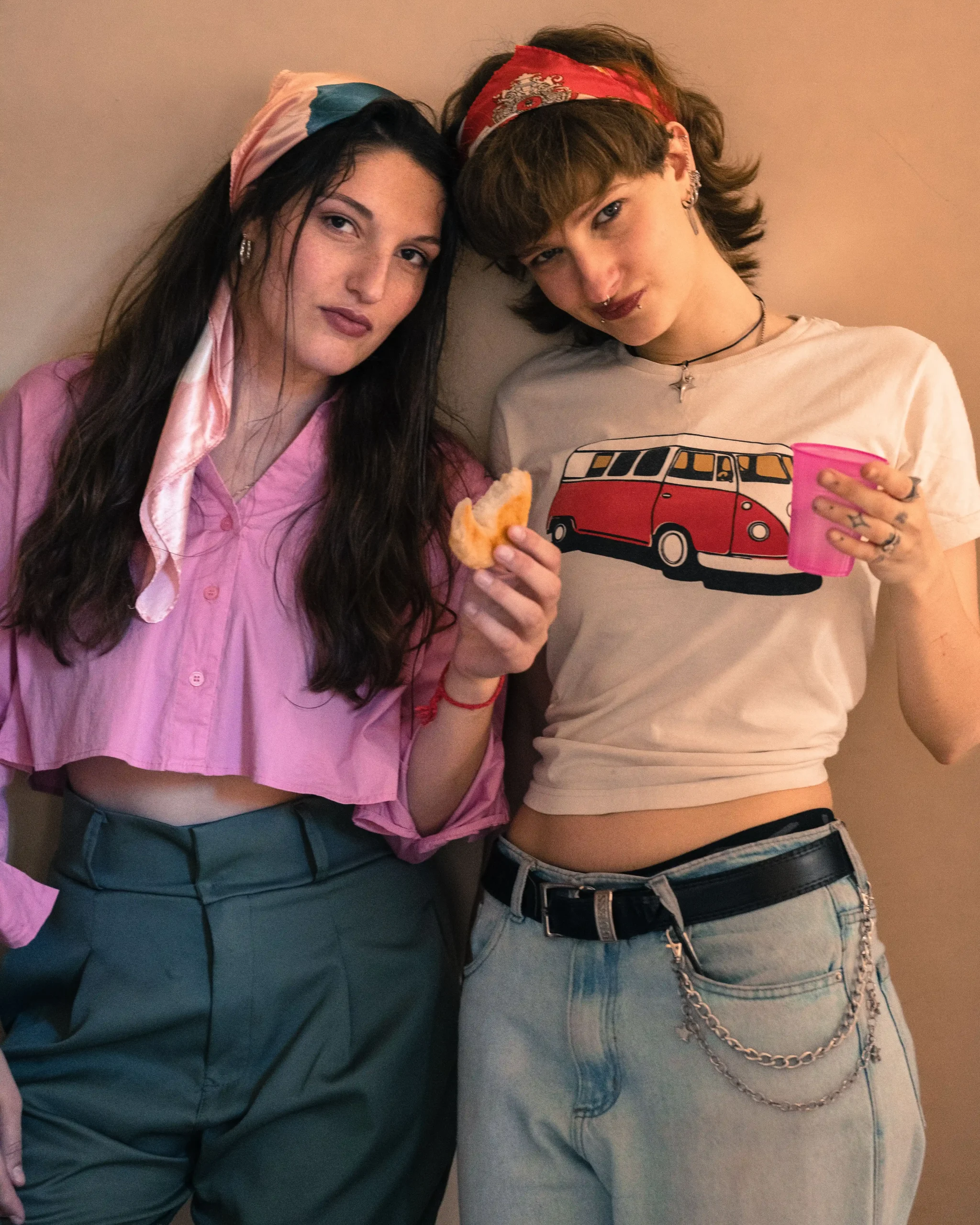
Fashion is often described as cyclical, and no decade proves that better than the 1990s. Once considered a unique era defined by oversized silhouettes, bold accessories, and a mix of casual and rebellious styles, 90s fashion has become one of the biggest sources of inspiration for today’s designers, influencers, and consumers. From luxury fashion houses to fast-fashion retailers, elements of 90s style continue to dominate runways and social media feeds, proving that iconic trends rarely disappear forever.
The appeal of 90s fashion goes beyond nostalgia. It represents individuality, comfort, and versatility—qualities that resonate strongly with modern consumers. Whether it’s the return of baggy jeans, slip dresses, chunky sneakers, or minimalist basics, today’s fashion landscape embraces many of the trends that once defined an entire generation. Younger audiences are discovering these styles for the first time, while those who lived through the decade are rediscovering pieces they once wore with pride.
This article explores the biggest 90s fashion trends that shaped an era, examines why they became so influential, and explains why these iconic styles continue to make a powerful comeback decades later.
One of the defining characteristics of 90s fashion was the shift toward casual dressing. Compared to the polished and structured styles of the 1980s, the following decade embraced relaxed clothing that prioritized comfort without sacrificing personal expression.
Oversized T-shirts, loose-fitting denim, hoodies, and sneakers became wardrobe essentials. The influence of skate culture, hip-hop, and alternative music encouraged people to wear clothes that felt authentic rather than overly formal. Fashion was no longer just about looking sophisticated—it was about reflecting personality and lifestyle.
Today, comfort remains one of the biggest priorities in fashion. Remote work, changing lifestyles, and the popularity of streetwear have made relaxed silhouettes more relevant than ever. Oversized clothing is now viewed as both fashionable and practical, making the casual aesthetic of the 90s feel surprisingly modern.
Few garments symbolize 90s fashion as clearly as baggy jeans. During the decade, loose denim replaced the tighter silhouettes of previous years. High-waisted cuts, wide-leg styles, carpenter jeans, and relaxed fits became everyday essentials for both men and women.
The popularity of hip-hop culture, skateboarding communities, and television shows helped transform baggy jeans into a mainstream trend. Rather than emphasizing fitted clothing, these styles celebrated comfort and movement.
Modern fashion has embraced this silhouette once again. Wide-leg jeans now dominate fashion collections worldwide, offering an alternative to the skinny jeans that ruled much of the 2000s and 2010s. Consumers increasingly appreciate the comfort and effortless styling that loose denim provides.
The grunge movement became one of the most influential fashion trends of the decade. Inspired by rock music and alternative culture, grunge rejected traditional fashion standards and embraced an intentionally relaxed appearance.
Flannel shirts, ripped jeans, oversized sweaters, combat boots, vintage band T-shirts, and layered clothing defined the aesthetic. Rather than chasing luxury labels, many embraced thrift shopping and secondhand clothing, creating looks that felt personal instead of manufactured.
Today’s renewed interest in sustainable fashion has contributed significantly to grunge’s revival. Vintage shopping, clothing resale platforms, and upcycled fashion align perfectly with the original philosophy of making the most of existing garments while expressing individuality.
While grunge represented one side of the fashion spectrum, minimalist fashion emerged as another defining trend during the 1990s. Clean lines, neutral color palettes, slip dresses, simple tailoring, and understated elegance became increasingly popular.
Rather than relying on loud prints or excessive embellishments, minimalist fashion focused on quality fabrics and timeless silhouettes. This understated approach allowed clothing to remain versatile and sophisticated.
Modern consumers increasingly value capsule wardrobes and investment pieces, making minimalist fashion more relevant than ever. Neutral basics, monochromatic outfits, and timeless essentials continue to dominate both luxury collections and everyday wardrobes.
Originally inspired by lingerie, slip dresses became one of the most recognizable fashion pieces of the 1990s. Lightweight fabrics, delicate straps, and sleek silhouettes offered an elegant alternative to more structured dresses.
These dresses gained popularity because they could be styled in multiple ways. They worked equally well with denim jackets, oversized blazers, leather boots, or simple sandals, making them highly versatile.
Today, slip dresses have experienced a major revival. Designers frequently reinterpret them with modern fabrics and updated cuts while preserving the effortless elegance that made them iconic decades ago.
Denim dominated nearly every aspect of 90s fashion. Denim jackets, overalls, skirts, shirts, and even matching denim outfits became everyday staples. Double denim, often called the “Canadian tuxedo,” gained popularity despite initially dividing opinions.
Today’s designers have embraced denim once again with updated silhouettes and sustainable manufacturing techniques. Matching denim outfits, oversized jackets, patchwork denim, and vintage-inspired washes have become regular features in fashion collections.
The enduring popularity of denim demonstrates its remarkable versatility. It adapts to changing trends while maintaining its timeless appeal.
Footwear underwent a dramatic transformation during the 1990s. Chunky sneakers, platform sandals, and thick-soled boots became fashion statements rather than simply practical footwear.
Athletic brands gained tremendous influence as sneakers transitioned from sports equipment to everyday fashion essentials. Platform shoes added height while complementing oversized clothing, creating balanced silhouettes.
Today’s sneaker culture has fueled the return of many classic designs from the decade. Retro athletic shoes frequently sell out within minutes of release, while platform footwear continues to appear in both luxury and mainstream collections.
No discussion of 90s fashion would be complete without its unforgettable accessories. Choker necklaces, mini backpacks, bucket hats, scrunchies, tiny sunglasses, butterfly clips, and hoop earrings became essential finishing touches.
These accessories allowed people to personalize their outfits without making significant wardrobe changes. They reflected the playful creativity that characterized much of the decade’s fashion.
Many of these accessories have returned with updated materials and contemporary styling. Modern interpretations maintain their nostalgic appeal while fitting seamlessly into today’s fashion landscape.
Hip-hop played an enormous role in shaping fashion during the 1990s. Oversized jerseys, loose denim, bomber jackets, Timberland-style boots, baseball caps, and bold sportswear became cultural symbols that extended far beyond the music industry.
Artists demonstrated how fashion could become an extension of personal identity. Clothing communicated confidence, creativity, and cultural pride, influencing global fashion trends for decades.
Streetwear brands continue drawing inspiration from this era, blending athletic wear with luxury fashion in ways that reflect the lasting influence of 90s hip-hop culture.
Popular television shows and films had a tremendous impact on fashion throughout the decade. Teen dramas, sitcoms, romantic comedies, and coming-of-age films introduced audiences to styles that quickly became mainstream.
Characters often inspired viewers to recreate entire wardrobes, from plaid skirts and crop tops to leather jackets and denim overalls. Celebrity influence existed long before social media, with magazines and television serving as the primary sources of fashion inspiration.
Today, streaming platforms have introduced these classics to new generations, contributing to the renewed popularity of many iconic 90s looks.
The 1990s also marked the rise of the supermodel era. Fashion icons helped transform runway trends into everyday aspirations, while musicians and actors showcased styles that millions wanted to emulate.
Their influence extended beyond designer clothing. Casual airport outfits, denim combinations, slip dresses, leather jackets, and minimalist tailoring became widely admired because celebrities wore them naturally in everyday life.
Modern influencers continue following this approach by sharing authentic, wearable outfits rather than exclusively showcasing high-fashion looks.
Several factors explain why 90s fashion has returned so strongly.
First, fashion naturally moves in cycles. Designers regularly reinterpret past decades, introducing familiar styles with modern updates.
Second, nostalgia plays a powerful role in consumer behavior. Millennials appreciate revisiting the styles of their youth, while Generation Z enjoys discovering trends that feel fresh despite their historical roots.
Third, today’s focus on sustainability encourages consumers to purchase vintage clothing, thrift unique pieces, and extend the lifespan of existing garments. Since many 90s trends originated from mixing affordable basics with secondhand finds, they naturally align with contemporary sustainability values.
Finally, social media platforms have accelerated trend revivals. Fashion creators constantly reinterpret vintage aesthetics, making decades-old outfits accessible to entirely new audiences through styling videos, fashion inspiration posts, and digital communities.
Incorporating 90s fashion into a modern wardrobe does not require recreating every trend exactly as it originally appeared. Instead, the most successful looks combine nostalgic elements with contemporary styling.
Pair wide-leg jeans with a fitted knit top for balance. Layer an oversized blazer over a slip dress for a polished appearance. Add chunky sneakers to minimalist outfits for a casual finish, or accessorize with a simple choker or mini shoulder bag to introduce subtle vintage character.
Choosing one or two signature pieces allows the outfit to feel inspired by the 90s rather than becoming a costume. This balanced approach keeps vintage fashion relevant while maintaining a fresh, modern aesthetic.
More than three decades after its peak, 90s fashion continues to influence designers, retailers, and everyday wardrobes around the world. Its emphasis on individuality, comfort, versatility, and authenticity remains highly relevant in an era where consumers increasingly prioritize personal style over rigid fashion rules.
What makes the decade truly timeless is its diversity. Minimalism coexisted with grunge. Streetwear thrived alongside elegant tailoring. Luxury labels shared the spotlight with thrift-store discoveries. This freedom of expression encouraged people to dress according to their personalities rather than simply following trends.
As fashion continues to evolve, the 1990s will undoubtedly remain one of its most influential decades. The biggest 90s fashion trends have proven that great style never truly disappears—it simply evolves for a new generation. Whether through oversized denim, slip dresses, chunky sneakers, or minimalist essentials, the spirit of 90s fashion continues to shape the future while honoring one of the most memorable eras in modern style history.
 Femme Wire