
 By Sara Jasmine
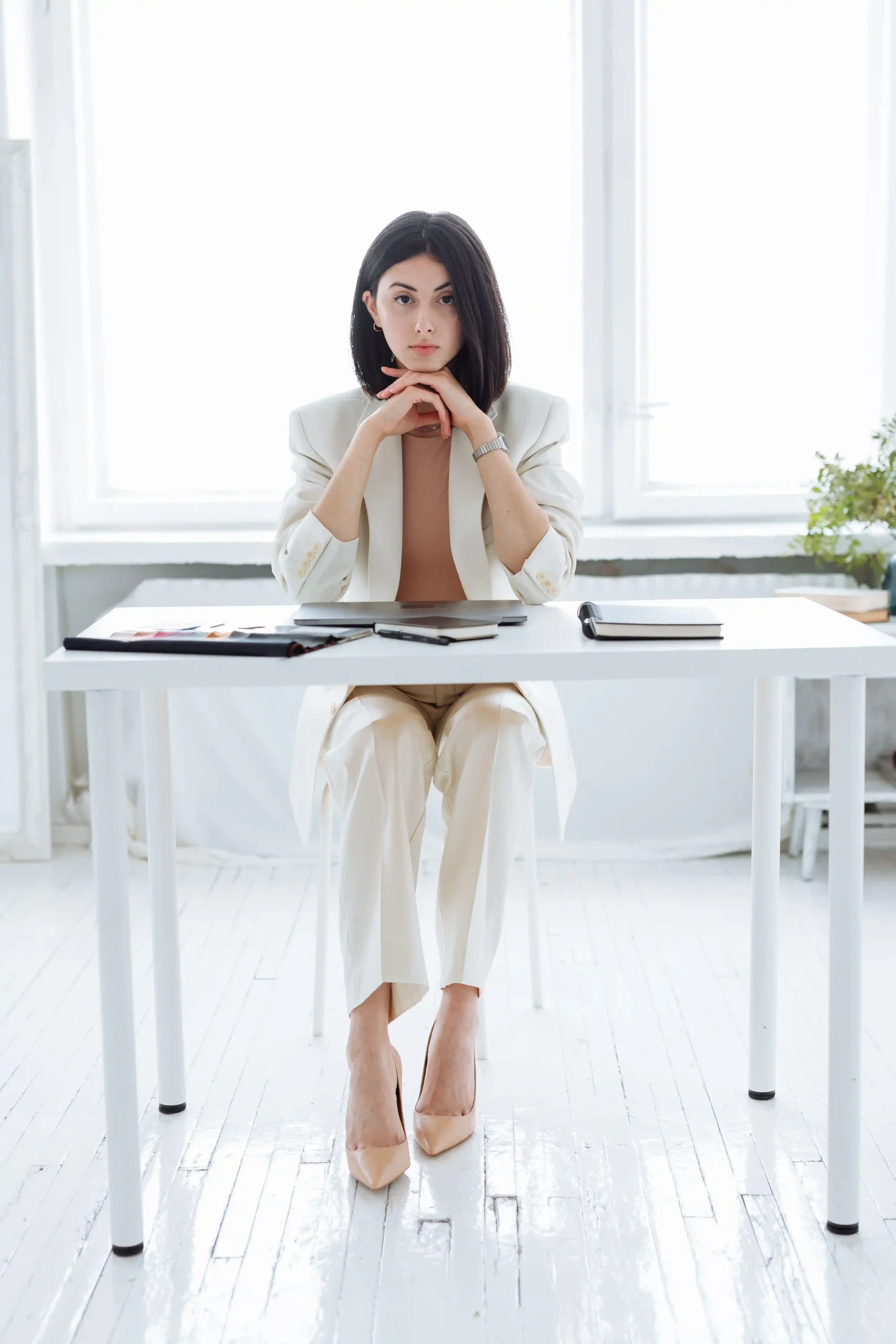
A job interview is your opportunity to make a strong first impression before you even begin answering questions. While your qualifications, experience, and personality ultimately determine whether you’re the right fit for a role, your appearance also plays an important role in communicating professionalism, confidence, and respect for the company’s culture.
Choosing the right interview outfit can feel challenging. Dress too formally, and you may seem out of touch with the company’s environment. Dress too casually, and employers may question your professionalism. The key is understanding the expectations of the industry while presenting yourself as polished and confident.
In today’s workplace, interview dress codes vary significantly depending on the company and position. A financial institution expects a different appearance than a tech startup, while a marketing agency typically embraces more creativity than a law firm. Knowing these differences helps you dress appropriately without sacrificing your personal style.
This guide explains what to wear for every type of job interview, helping you confidently prepare for any opportunity.
Many hiring managers form an initial impression within the first few minutes of meeting a candidate. Although employers strive to evaluate applicants fairly, appearance naturally contributes to that first impression.
An appropriate interview outfit demonstrates that you:
- Respect the interview process.
- Understand professional expectations.
- Pay attention to detail.
- Take the opportunity seriously.
- Can represent the company professionally.
The goal is not to wear the most expensive clothing but to choose clean, well-fitted, and appropriate attire that allows your qualifications to remain the focus.
Before discussing specific industries, there are several universal guidelines that apply to almost every interview.
Even an expensive suit can appear unprofessional if it is wrinkled or poorly fitted. Your clothes should be freshly cleaned, pressed, and comfortable enough to sit and move naturally.
Avoid clothing that is too tight, too loose, or visibly worn.
Neutral colors create a polished and professional appearance. Consider shades such as:
- Navy
- Black
- Gray
- White
- Beige
- Brown
- Soft blue
These colors photograph well and work in nearly every professional setting.
Accessories should complement your outfit rather than distract from it.
Examples include:
- A classic watch
- Simple earrings
- Minimal necklaces
- Professional handbag or briefcase
- Clean belt matching your shoes
Avoid oversized jewelry or accessories that make noise while moving.
Professional grooming is equally important as your clothing.
Before your interview:
- Style your hair neatly.
- Keep facial hair well-groomed.
- Trim your nails.
- Wear clean shoes.
- Apply light fragrance, if any.
- Avoid excessive makeup while choosing a polished appearance.
Good grooming communicates attention to detail.
Corporate environments generally maintain the most traditional dress expectations. Industries such as finance, banking, accounting, consulting, insurance, government, and law often expect business professional attire.
A classic business suit remains the safest option.
Choose:
- Navy or charcoal suit
- White or light blue dress shirt
- Conservative tie
- Black or dark brown leather shoes
- Matching leather belt
- Dark dress socks
Avoid bright patterns or novelty ties.
Professional business attire includes:
- Tailored blazer
- Matching trousers or pencil skirt
- Conservative blouse
- Closed-toe pumps or flats
- Neutral handbag
- Minimal jewelry
Skirts should generally fall near the knee, while heels should remain comfortable enough for walking confidently.
Avoid:
- Sneakers
- Jeans
- T-shirts
- Hoodies
- Flashy accessories
- Loud prints
- Athletic wear
Corporate interviews reward polished professionalism.
Many companies now operate under a business casual dress code. This includes administrative offices, healthcare administration, education, customer service management, and many mid-sized businesses.
Business casual bridges the gap between formal business attire and everyday office clothing.
Suitable options include:
- Dress pants or chinos
- Button-down shirt
- Optional blazer
- Leather loafers or dress shoes
- Neutral belt
A tie is usually optional unless otherwise specified.
Excellent choices include:
- Dress pants
- Midi skirt
- Professional blouse
- Cardigan or blazer
- Flats or low heels
Soft colors and subtle patterns work well in business casual settings.
Business casual should never look sloppy.
Avoid:
- Distressed jeans
- Graphic shirts
- Athletic sneakers
- Flip-flops
- Oversized sweaters
- Leggings as pants
Instead, aim for polished comfort.
Creative fields often encourage individuality while still expecting professionalism.
Examples include:
- Graphic design
- Fashion
- Marketing
- Advertising
- Photography
- Interior design
- Media
- Content creation
Here, your appearance can subtly reflect your creativity without becoming distracting.
Consider:
- Dark tailored chinos
- Patterned button-up shirt
- Casual blazer
- Clean leather sneakers or loafers
- Modern watch
You can introduce subtle personality through textures, colors, or accessories.
A creative yet polished outfit might include:
- Stylish trousers
- Fashionable blouse
- Statement blazer
- Midi dress with structured jacket
- Contemporary flats, boots, or heels
Tasteful use of color can demonstrate confidence while remaining professional.
Creative employers often appreciate originality, but balance is essential.
Your clothing should complement your portfolio rather than compete with it.
Avoid outfits that are overly revealing, excessively trendy, or difficult to take seriously in a professional meeting.
Technology companies have transformed workplace fashion. Many employees wear jeans, sneakers, and hoodies during regular workdays. However, this does not mean candidates should arrive looking overly casual.
Instead, aim for what many recruiters call “smart casual.”
Good options include:
- Dark chinos
- Dark jeans without distressing
- Polo shirt or button-down
- Casual blazer
- Clean minimalist sneakers or loafers
Everything should appear intentional and well-maintained.
Appropriate startup interview attire includes:
- Tailored trousers
- Dark jeans without rips
- Professional knit top
- Casual blazer
- Clean flats, ankle boots, or minimalist sneakers
The overall look should communicate confidence, competence, and modern style.
Startup cultures vary dramatically.
Before your interview:
- Review the company’s website.
- Browse employee photos.
- Check LinkedIn profiles.
- Explore recent social media posts.
If employees consistently wear casual clothing, you can comfortably dress one level above their everyday standard.
No matter what industry you’re applying to, your interview outfit should reflect professionalism while aligning with the company’s culture. The best interview attire helps you feel comfortable, confident, and prepared to focus on what matters most—showcasing your skills, experience, and enthusiasm for the role.
While corporate offices often require formal business attire, creative agencies and technology companies may embrace a more relaxed dress code. Understanding these differences allows you to make informed wardrobe choices that leave a positive and lasting impression.
In the next section of this guide, we’ll cover what to wear for remote interviews, retail and customer service positions, hospitality careers, healthcare roles, skilled trades, startup environments, and more. You’ll also learn the most common interview outfit mistakes to avoid and discover practical styling tips that can help you make a strong first impression regardless of the position you’re pursuing.
 Femme Wire