
 By Femme Wire
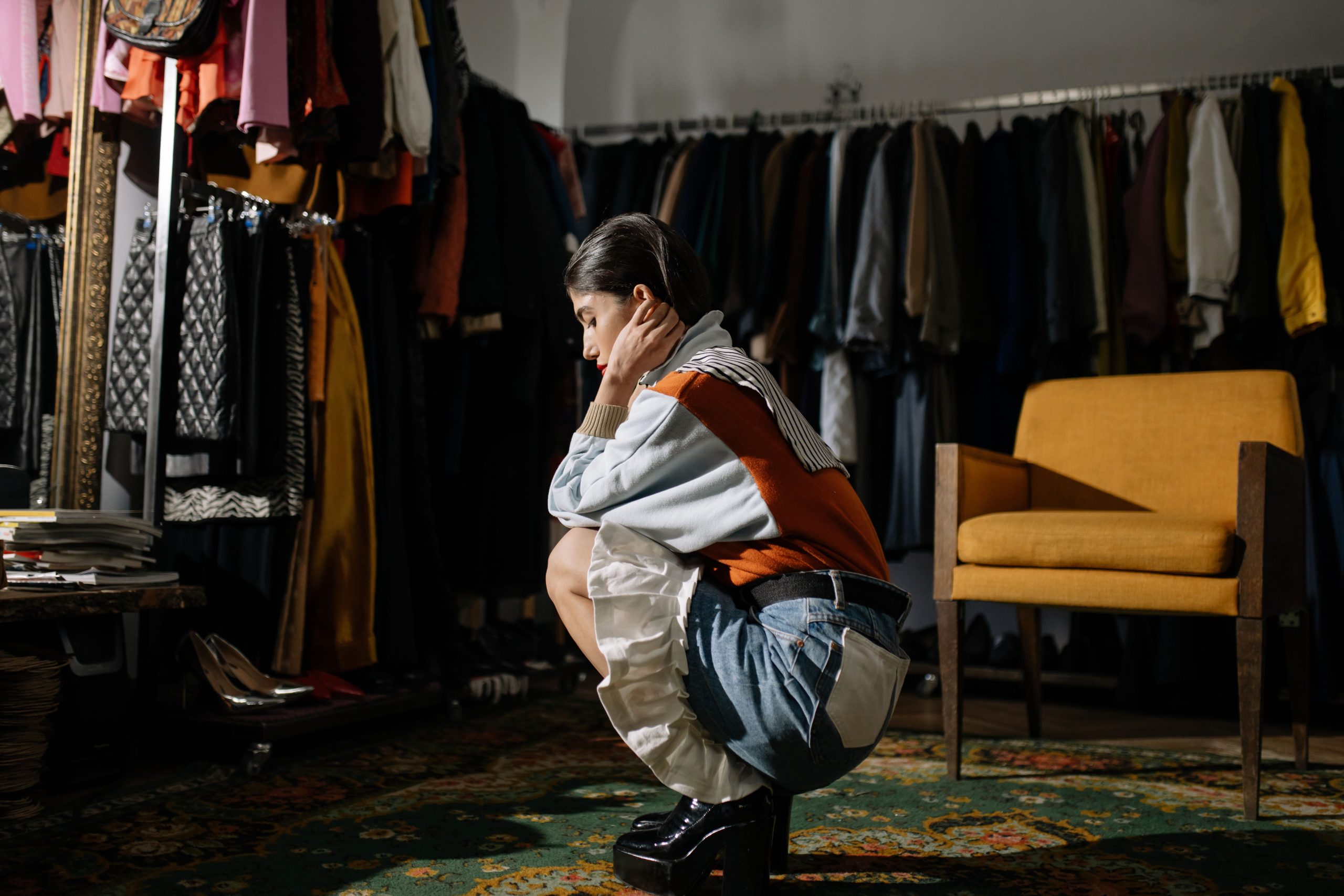
Fashion has always reflected more than clothing. It tells stories about identity, culture, and the values people choose to express. For decades, conversations about women’s fashion often focused on trends, beauty standards, and physical appearance. Today, however, a noticeable shift is taking place. Confidence is becoming the defining statement—not through what women wear alone, but through how they lead, create, and shape the world around them.
Modern confidence is increasingly connected to influence rather than perfection. Instead of following narrow ideals of beauty, many women are embracing authenticity, personal style, and individuality. Fashion has become less about fitting into a predetermined image and more about communicating personality, ambition, and purpose.
This evolution reflects broader cultural changes. Women are taking on leadership roles across business, entertainment, science, technology, sports, and entrepreneurship, and these achievements are reshaping how confidence is defined. Success is no longer measured only by appearance but by creativity, expertise, resilience, and the ability to make a meaningful impact.
The rise of personal branding has contributed to this transformation. Social media allows women to showcase their ideas, talents, and businesses directly to global audiences. While style remains part of that presence, audiences are increasingly drawn to authenticity, knowledge, and originality rather than carefully curated perfection.
Fashion itself has adapted to this new mindset. Instead of dressing to meet a single trend, many women are building wardrobes that reflect their own identities. Classic tailoring, comfortable silhouettes, timeless pieces, and versatile designs have become popular because they support confidence through practicality and self-expression rather than conformity.
The concept of “power dressing” has also evolved. Previous generations often associated professional success with strict dress codes designed to mirror traditional corporate expectations. Today, confidence is expressed through individuality. Whether someone prefers minimalist fashion, bold colors, vintage pieces, or modern tailoring, personal style has become an extension of personal values rather than a uniform.
Women such as Oprah Winfrey, Zendaya, and Emma Grede have demonstrated that confidence is built through leadership, creativity, and purpose as much as appearance. Their influence extends beyond fashion because their accomplishments shape conversations about business, culture, and representation.
Ownership has become another important part of this cultural shift. More women are launching companies, creating products, investing in businesses, and developing intellectual property. Building something meaningful often provides a deeper sense of confidence than external recognition alone.
Creativity also plays a major role. Women are increasingly expressing themselves through design, writing, technology, filmmaking, entrepreneurship, and digital media. These creative pursuits allow individuals to shape culture rather than simply participate in it. Confidence grows through creation as much as presentation.
The beauty industry has reflected this evolution as well. Rather than emphasizing dramatic transformation, many brands now focus on enhancing natural features, supporting healthy skin, and encouraging self-expression. The conversation is moving away from changing who someone is and toward helping them feel more comfortable in their own identity.
Consumers have also become more interested in values-driven brands. Companies that celebrate diversity, inclusivity, sustainability, and authenticity often resonate because they reflect the priorities of modern audiences. Fashion is increasingly connected to what a brand stands for as much as what it sells.
Another important aspect of confidence is community. Women are supporting one another through professional networks, mentorship, creative collaborations, and online communities. Success is becoming less competitive and more collaborative, with many recognizing that shared opportunities strengthen entire industries.
This cultural evolution is changing how younger generations view fashion and achievement. Instead of seeing style as a way to seek approval, many now view it as a form of personal storytelling. Clothing becomes one part of a larger identity shaped by ambitions, experiences, and accomplishments.
Importantly, confidence looks different for everyone. For some, it is speaking at a meeting, launching a business, creating art, raising a family, or pursuing higher education. For others, it is simply feeling comfortable expressing their true personality. There is no single definition because confidence is increasingly personal rather than prescribed.
The fashion industry itself is responding to these changing expectations. Designers are creating collections that emphasize versatility, comfort, inclusivity, and individuality. Consumers are investing in pieces that support their lifestyles rather than simply following seasonal trends.
Ultimately, confidence has become this year’s biggest fashion statement because it cannot be manufactured or copied. It is reflected in the choices women make, the opportunities they create, and the influence they have on the world around them.
The future of women’s culture is not defined by looking like everyone else. It is defined by having the confidence to become entirely yourself—and wearing that confidence every day.
- McKinsey & Company – Women in Leadership and Consumer Trends Research
- Harvard Business Review – Leadership, Personal Branding, and Workplace Research
- World Economic Forum – Gender Equality and Leadership Insights
- Vogue Business – Fashion Industry and Consumer Culture Analysis
- Deloitte – Global Consumer and Retail Trends Reports
- UN Women – Women’s Leadership and Economic Empowerment Resources
 Sara Jasmine