
 By Femme Wire
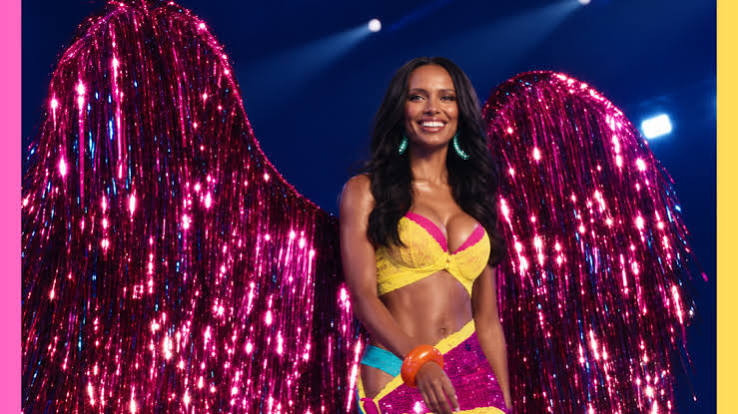
Few fashion events generate as much conversation about beauty as the Victoria’s Secret Fashion Show. For years, its signature wings, glamorous styling, and carefully selected models helped establish a recognizable vision of femininity that became part of mainstream pop culture.
But beauty standards do not remain fixed forever.
As conversations around body image, diversity, self-expression, and representation have evolved, the brand has faced a difficult challenge: preserve the spectacle that made the show famous while responding to audiences who expect more than a single, narrow definition of beauty.
The October 18, 2026, show in Los Angeles brought that tension back into the spotlight. Returning Angels shared the runway with newer models, elaborate lingerie designs, celebrity appearances, and major musical performances. Kylie Jenner wore the returning Fantasy Bra, while Solange Omon made her runway debut after winning the brand’s open-casting competition.
It was a celebration of glamour and nostalgia, but it also reopened a familiar question: Can a fashion brand redefine beauty without abandoning the identity that made it famous?
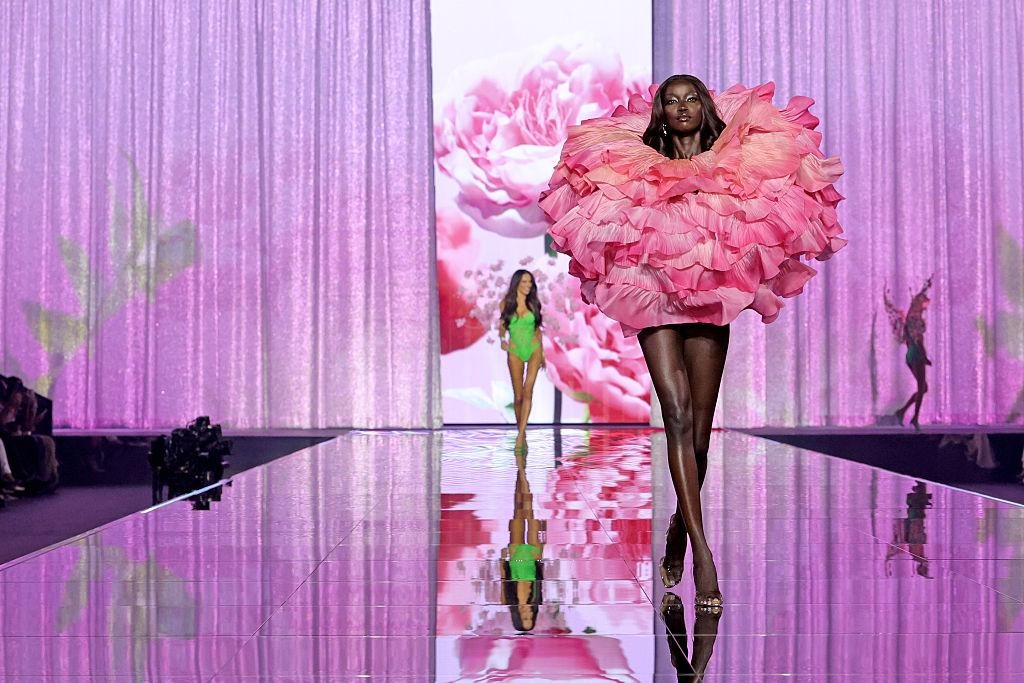
Victoria’s Secret built much of its cultural identity around a highly recognizable aesthetic: tall, slender models, elaborate wings, polished hair, dramatic makeup, and lingerie presented as theatrical fashion.
At its height, the show was more than a retail event. It became a television spectacle, a celebrity gathering, and a defining moment in the fashion calendar. The Angels developed individual fan followings, and their runway appearances helped turn models into internationally recognized personalities.
For many viewers, that era remains associated with excitement, aspiration, and a particular kind of high-glamour fashion.
For others, the same aesthetic represented a restrictive ideal that left little room for different body types, ages, identities, or interpretations of femininity.
Both reactions help explain why the show’s return continues to attract attention.
Nostalgia can be powerful because it reconnects audiences with memories and cultural moments. But returning to an earlier aesthetic also brings back the questions that surrounded it. What once appeared aspirational to one viewer may feel exclusionary to another.
The challenge for Victoria’s Secret is not simply to recreate its past. It is to determine which parts of that identity remain meaningful and which need to evolve.
In recent years, fashion audiences have increasingly questioned who appears in campaigns, runway shows, advertisements, and beauty imagery.
Representation includes more than featuring a diverse cast. It also involves how models are presented, which bodies receive prominent roles, who is treated as a central figure, and whether different forms of beauty are represented consistently rather than appearing as occasional exceptions.
The 2026 Victoria’s Secret show included established figures such as Adriana Lima, Gigi Hadid, and Bella Hadid alongside models including Ashley Graham, Paloma Elsesser, Precious Lee, and Alex Consani.
The event also introduced Solange Omon, whose selection through open casting offered a different route into the brand’s Angel identity.
These appearances provided a broader range of representation than the company’s earlier, more narrowly defined runway image. They also demonstrated that established models and newer faces can coexist within the same fashion production.
However, a broader lineup does not automatically settle the debate.
Some critics argue that meaningful inclusion requires more than casting different models for a single event. They look at the overall balance of the runway, the prominence given to different body types, the visual language of the campaign, and whether the brand’s everyday products and marketing reflect the same range of customers.
Others believe that the show should be allowed to remain a stylized fashion fantasy, provided that it does not claim to represent every woman or every definition of beauty.
The disagreement is not simply about who walks the runway. It is about what viewers expect a major fashion brand to communicate through its choices.
Body positivity helped challenge the idea that only one body type could be considered attractive, fashionable, or worthy of visibility.
Its influence can be seen across advertising, beauty campaigns, social media, and fashion conversations. More consumers have become comfortable questioning heavily edited imagery and asking whether brands represent the people who actually purchase their products.
Yet representation remains complicated.
A campaign may include a range of body types while still emphasizing a narrow aesthetic through styling, camera angles, clothing choices, or the relative prominence of certain models. Conversely, a runway may prioritize a highly stylized silhouette without necessarily claiming that every viewer should look the same way.
An October 19, 2026, opinion piece in Allure criticized the Victoria’s Secret show for appearing to retreat from earlier body-positive messaging. The article argued that the presence of a few curvier models did not necessarily change the overall impression created by the runway.
That was one critical interpretation of the event, not a universal audience verdict. Other coverage highlighted the show’s expanded casting and its combination of returning Angels with newer models.
The contrast illustrates why representation debates rarely end with a casting announcement.
Audiences evaluate the complete picture: who is included, how they are presented, and whether the brand’s choices feel consistent with its public messaging.
For fashion companies, the challenge is to move beyond symbolic gestures and consider how representation is built into their broader identity.
One of the central questions surrounding Victoria’s Secret is whether its recent evolution represents a meaningful change in its understanding of glamour or a new presentation of familiar ideas.
The company has made efforts to modernize its public image while retaining elements that audiences associate with its identity. The return of the Fashion Show, the use of legacy Angels, and the Fantasy Bra all demonstrate the continuing importance of its history.
At the same time, broader casting and new approaches to audience engagement suggest an attempt to connect that history with changing expectations.
The tension is understandable. A brand with decades of recognition cannot simply erase its identity without risking the loss of customers who value its familiar aesthetic. But holding too tightly to the past can make a company appear disconnected from audiences who want to see a wider range of women represented.
In its October 19 coverage, Business of Fashion described Victoria’s Secret as balancing its established image of sexiness with efforts to reach younger, digitally engaged customers.
That balance reflects a larger challenge facing fashion and beauty brands. Consumers can appreciate a recognizable aesthetic while still expecting brands to evolve.
The question is whether change is visible in more than the campaign itself.
Do different customers see products that work for them? Are diverse models featured throughout the year? Does the brand communicate confidence in a way that respects individual choice? And can it preserve glamour without suggesting that glamour belongs to only a select group?
These questions are harder to answer with a single runway show, but they are central to understanding the brand’s direction.
Fashion shows are designed to create fantasy. The lighting, music, styling, choreography, and elaborate costumes make the runway different from everyday life.
There is nothing inherently wrong with enjoying that spectacle.
Problems arise when a highly curated image becomes a standard against which people measure themselves.
For years, mainstream fashion imagery often presented a limited range of body shapes and facial features as the ideal. Although the industry has become more varied in its representation, the pressure to compare personal appearance with polished images has not disappeared.
Social media has made the issue more complex. Audiences now encounter runway photographs alongside edited selfies, beauty filters, influencer content, fitness imagery, and advertisements. These images can blur the distinction between creative presentation and ordinary appearance.
The result can be a constant stream of visual expectations.
A healthier conversation about glamour makes room for admiration without requiring imitation. Someone can appreciate a model’s styling, dramatic makeup, or confidence on the runway without believing they must reproduce the same appearance.
Confidence also does not have one universal look. For one person, it may mean wearing a bold red lip. For another, it may mean choosing comfortable clothing, embracing a natural appearance, or ignoring beauty trends altogether.
A fashion brand can offer inspiration, but it cannot define how every customer should feel about herself.
That distinction matters as consumers increasingly expect beauty messaging to support self-expression rather than prescribe a single ideal.
The 2026 show demonstrated how fashion, celebrity, and online conversation now operate together.
Kylie Jenner’s appearance in the Fantasy Bra generated attention beyond the runway itself. The return of familiar Angels created nostalgia, while newer models and the open-casting competition offered fresh talking points.
Performances, celebrity guests, behind-the-scenes footage, and runway clips extended the event across social platforms.
This kind of visibility can help a brand reach audiences who would never watch an entire fashion show. A single look may become a viral discussion, while a model’s appearance can generate thousands of reactions and comparisons.
But social media does not guarantee agreement.
One viewer may praise a model’s confidence, while another criticizes the styling. A celebrity appearance can generate excitement among fans and indifference among people who are not invested in that celebrity. A broader cast may be celebrated as progress while critics question whether the overall presentation has changed enough.
The speed of online discussion can make these competing interpretations appear more polarized than they actually are.
It also creates an incentive for brands to produce moments that are instantly recognizable and shareable. The challenge is ensuring that the pursuit of attention does not overwhelm the clothing, the models, or the larger message.
A viral moment can bring people to a fashion show. Building trust requires a longer conversation.
The Victoria’s Secret debate reflects broader expectations that now extend across beauty, lingerie, fashion, and lifestyle marketing.
Consumers increasingly encounter brands through social platforms, creator recommendations, online reviews, and personal communities. They can compare campaigns, discuss representation, and question corporate messaging in public.
This gives audiences more opportunities to influence the conversation, even if they do not control every decision a company makes.
Several expectations are likely to remain important.
Consistency beyond major events. Consumers may look for representation across everyday advertising, product photography, campaigns, and retail experiences—not just a high-profile annual show.
A broader understanding of confidence. Brands can celebrate glamour while acknowledging that confidence does not depend on matching a particular body type or beauty trend.
Authentic casting and storytelling. Featuring different models may carry more meaning when their presence feels integrated into the brand rather than presented as a temporary statement.
Room for personal choice. Consumers have different relationships with lingerie, fashion, sensuality, and self-expression. A brand can present a distinctive point of view without claiming it represents every woman.
Clearer distinctions between fantasy and reality. Fashion imagery can be theatrical and aspirational while recognizing that it is created through professional styling, lighting, photography, and production.
These expectations do not require every brand to adopt the same aesthetic. Instead, they encourage companies to understand the audience they serve and communicate their identity with greater awareness.
The 2026 Fashion Show suggests that Victoria’s Secret is not ready to abandon its signature spectacle. The wings, lingerie, returning models, celebrity appearances, and Fantasy Bra remain central to its identity.
The company is also operating in a cultural environment that asks more questions about who is represented and what beauty imagery communicates.
Those priorities do not have to be mutually exclusive.
Glamour can remain theatrical, extravagant, and deliberately stylized. Representation can expand without requiring every model to look alike or every fashion brand to share the same visual identity.
The challenge is making room for more people within the conversation while preserving the creative qualities that make a fashion event distinctive.
For some viewers, the return of the Angels is a welcome celebration of nostalgia. For others, the show raises concerns about whether fashion has moved far enough beyond narrow beauty ideals. Still others may simply enjoy the production without seeing it as a statement about how women should look.
All of these responses help explain why the event continues to generate discussion.
Ultimately, no single brand, runway, or campaign can define glamour for everyone.
Glamour can be dramatic or understated, traditional or unconventional, polished or playful. It can involve elaborate lingerie and wings, but it can also appear in a simple outfit worn with confidence.
Victoria’s Secret can decide what its brand represents. Audiences will decide whether that vision resonates with them.
And in 2026, the most important beauty conversation may not be about replacing one ideal with another. It may be about allowing more people to decide for themselves what beauty, confidence, and glamour mean.
- Victoria’s Secret — Official 2026 Fashion Show Collection
- Elle — Kylie Jenner Brings the Fantasy Bra Back to the Victoria’s Secret Runway
- Allure — The 2026 Victoria’s Secret Fashion Show Let Us Relive the Bad Old Days
- Business of Fashion — Victoria’s Secret Straddles the Line Between Past and Present
- Dazed — Are We All Being Fooled by the Victoria’s Secret Rebrand?
- Reuters — Victoria’s Secret Fashion Show Struts Through the Seasons in Los Angeles
 Sara Jasmine