
 By Femme Wire
A luxury handbag lasts for years. A concert lasts a few hours. A weekend getaway ends even faster. Yet more women are increasingly directing their money toward experiences rather than possessions, suggesting that the value of a purchase is no longer measured only by how long it lasts, but by how meaningful it feels.
This shift reflects a broader change in consumer priorities. For many people, ownership no longer carries the same emotional weight it once did. Experiences create memories, stories, personal growth, and social connections—benefits that often feel more rewarding than adding another item to a closet or shelf.
Part of the appeal lies in the way experiences fit modern lifestyles. As people become more selective about what they bring into their homes, they are becoming more intentional about where they invest their time. Travel, wellness retreats, classes, live events, and unique dining experiences often feel like purchases that enrich life rather than simply occupy space.
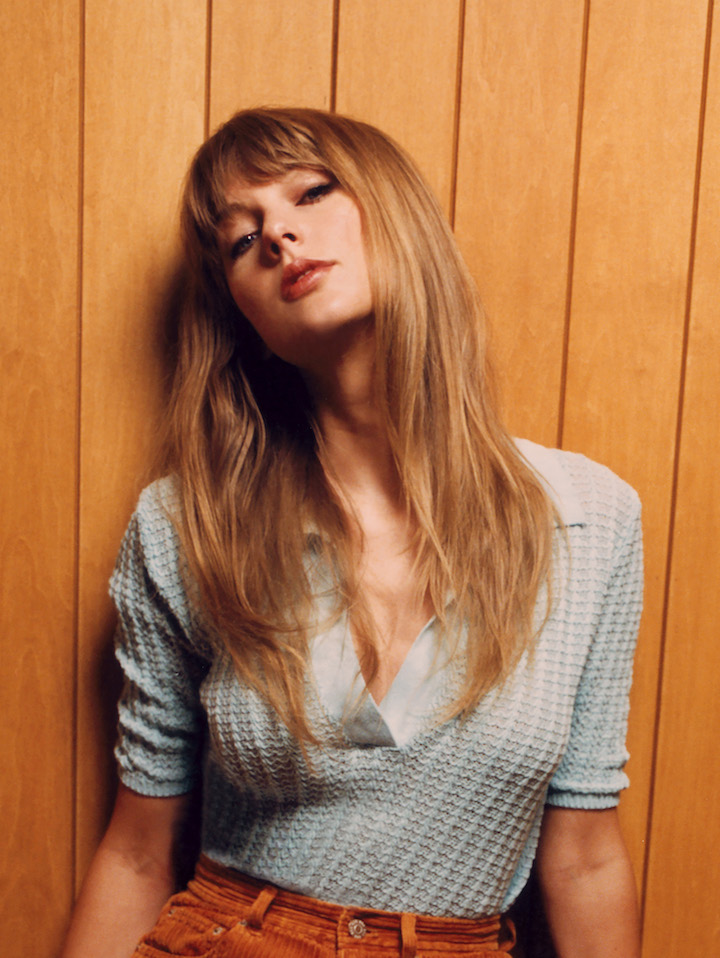
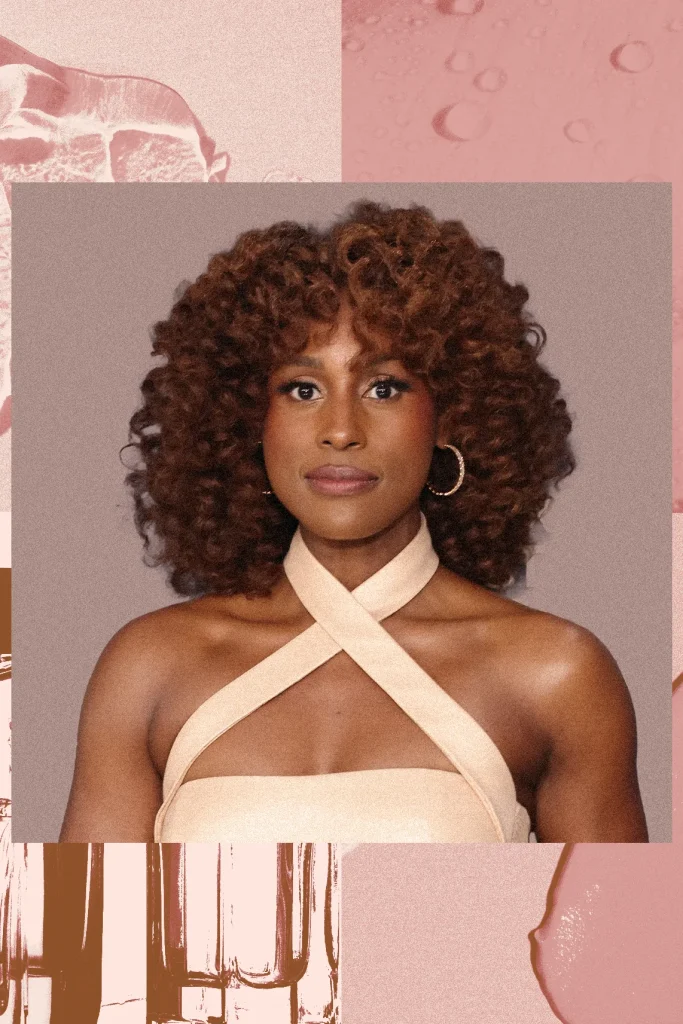
Public figures such as Taylor Swift and Issa Rae often reflect this cultural shift, where memorable experiences—from live events to community-driven gatherings—generate lasting engagement and emotional value.
Social media has contributed to the trend, but perhaps not in the way many assume. While platforms certainly showcase travel and lifestyle experiences, they have also highlighted the temporary nature of material trends. A product that feels essential today may be forgotten in a month, while a meaningful experience often remains memorable long after it is over.
Another factor is personal development. Experiences frequently offer something beyond entertainment. They can introduce new skills, perspectives, relationships, and environments. Whether through travel, learning opportunities, or wellness activities, many people view experience-based spending as an investment in themselves.
Economic realities also play a role. As consumers become more conscious about spending decisions, there is growing emphasis on purchases that provide lasting satisfaction. Experiences often deliver value through emotional impact rather than physical ownership, making them feel more worthwhile even when they are temporary.
The wellness industry has benefited significantly from this shift. Retreats, fitness events, mindfulness programs, and immersive workshops continue attracting consumers who prioritize feeling better over simply owning more. Wellness is increasingly being treated as something to experience rather than just something to buy.
Travel remains one of the clearest examples of this trend. Many consumers are prioritizing meaningful trips, cultural exploration, and memorable moments over accumulating additional luxury goods. The focus is moving from collecting objects to collecting stories.
Brands have responded by creating more experiential offerings as well. From exclusive events to personalized services, companies are recognizing that consumers increasingly value participation and connection over traditional ownership models.
At its core, this trend reflects a changing definition of value. For a growing number of women, the most rewarding purchases are not the ones that sit on display—they are the ones that become memories, conversations, and experiences worth revisiting long after the moment has passed.
- https://hbr.org
- https://www.mckinsey.com
- https://www.weforum.org
- https://www.pewresearch.org/internet/
- https://www.eventbrite.com
- https://globalwellnessinstitute.org
- https://skift.com/research/
 Sara Jasmine